E160a-beta-carotene
What is E160a-beta-carotene?
Beta-carotene is a pigment found naturally in many fruits and vegetables, giving them their orange and yellow colors. It can be produced synthetically or extracted from natural sources like algae or fungi. In food, it's often made through fermentation or chemical synthesis.
Is E160a-beta-carotene vegan?
E160a-beta-carotene is not animal-derived. Products that contain it can still include other animal-derived ingredients, so check the full ingredient list.
Is E160a-beta-carotene gluten-free?
It does not contain gluten.
Is E160a-beta-carotene a major allergen?
Beta-carotene is not derived from any of the 9 FDA major allergens.
What is E160a-beta-carotene used for?
Beta-carotene is used as a food colorant to provide yellow, orange, and red hues.
Is E160a-beta-carotene safe?
In the U.S., beta-carotene is generally recognized as safe (GRAS) by the FDA when used as a food ingredient.
Why it's used
Beta-carotene is used as a food colorant to provide yellow, orange, and red hues. It is commonly found in baked goods like cakes and cupcakes, as well as in beverages and frozen desserts, to enhance their visual appeal.
Health notes
In the U.S., beta-carotene is generally recognized as safe (GRAS) by the FDA when used as a food ingredient. It is also a source of Vitamin A. International bodies like JECFA and EFSA have evaluated beta-carotene. High doses of beta-carotene supplements are not recommended for smokers, as some studies have linked them to an increased risk of lung cancer in this group, but this is not typically a concern with dietary intake from food.
Allergen info
Beta-carotene is not derived from any of the 9 FDA major allergens. It does not contain gluten.
Foods that contain E160a-beta-carotene
Compare products →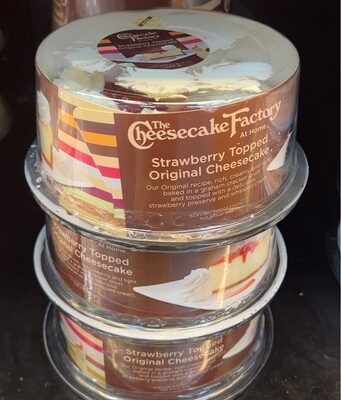
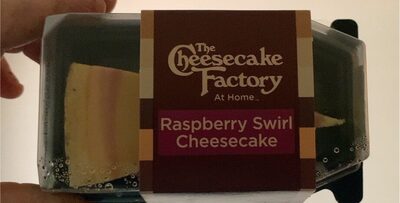
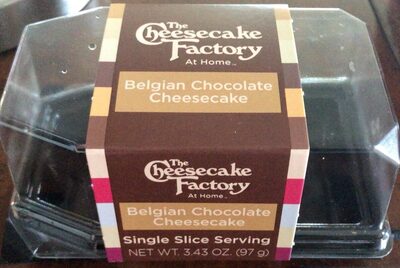

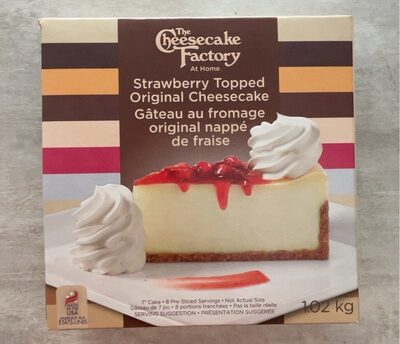
Learn more
Auto-generated content. This description was generated automatically and is pending editorial review. Inaccuracies are possible. Found a mistake? Contact us.