Echinacea
What is Echinacea?
Echinacea is a flowering plant native to North America, with species like Echinacea purpurea being most common. The roots, leaves, and flowers are used, typically dried and processed into powders, extracts, or teas.
Is Echinacea vegan?
Echinacea is not animal-derived. Products that contain it can still include other animal-derived ingredients, so check the full ingredient list.
Is Echinacea gluten-free?
It does not contain gluten.
Is Echinacea a major allergen?
Echinacea is not derived from any of the 9 FDA major allergens.
What is Echinacea used for?
Echinacea is most often added to foods and beverages as a botanical ingredient, rather than for a specific functional purpose like sweetening or preserving.
Is Echinacea safe?
Echinacea is not an FDA-regulated food additive.
Why it's used
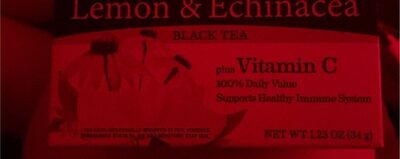
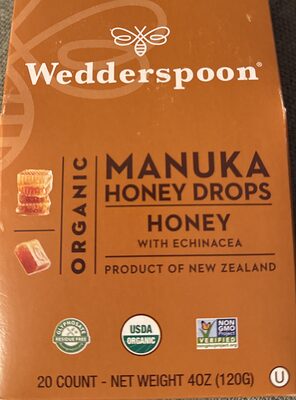
Echinacea is most often added to foods and beverages as a botanical ingredient, rather than for a specific functional purpose like sweetening or preserving. It is commonly found in herbal teas, juices, and candies, where it contributes its characteristic flavor and is marketed for its perceived wellness benefits.
Health notes
Echinacea is not an FDA-regulated food additive. It is generally recognized as safe (GRAS) for use in dietary supplements, but its use in conventional foods is less common. Some studies suggest echinacea may stimulate the immune system, but evidence is mixed and more research is needed. Regulatory bodies like EFSA have evaluated echinacea for its use in supplements and traditional medicines, but have not set specific guidance for its use in food.
Allergen info
Echinacea is not derived from any of the 9 FDA major allergens. It does not contain gluten.
Foods that contain Echinacea
Compare products →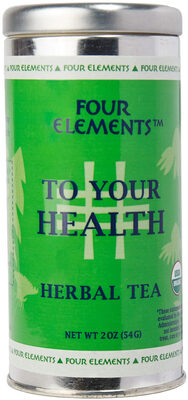
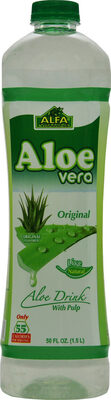
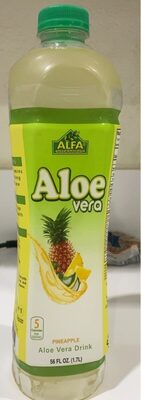
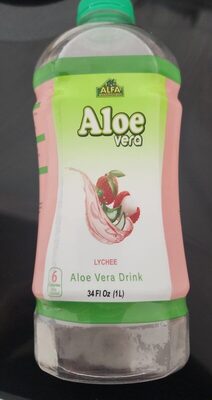
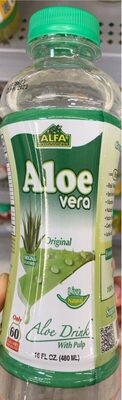 Alfa Vitamins
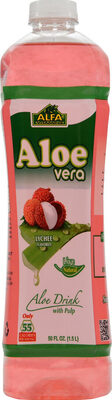
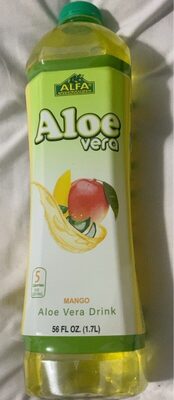
Original Flavor Aloe Vera With Pulp Aloe Drink, Original
25kcal
0Protein
0Fat
6.2Carbs
Auto-generated content. This description was generated automatically and is pending editorial review. Inaccuracies are possible. Found a mistake? Contact us.