Reverse Osmosis Filtered Water
Auto-generated content. This description was generated automatically and is pending editorial review. Inaccuracies are possible. Found a mistake? Contact us.
What it is
Reverse osmosis filtered water is purified water that has had most of the impurities, minerals, and contaminants removed through a process called reverse osmosis. In this process, water is forced under pressure through a semipermeable membrane that allows water molecules to pass but blocks larger molecules and ions.
Why it's used
Manufacturers use reverse osmosis filtered water as a base ingredient in beverages and other food products to ensure a clean, neutral taste and consistent quality. It is commonly found in bottled waters, juices, soft drinks, and processed foods where water is a primary component.
Health notes
Reverse osmosis filtered water is generally considered safe for consumption. The U.S. Food and Drug Administration (FDA) does not specifically regulate filtered water as a food additive, but it falls under general food safety regulations. International bodies like the World Health Organization (WHO) have established guidelines for drinking water quality, which this process aims to meet. No significant health concerns are associated with consuming water purified by reverse osmosis at typical intake levels.
Allergen info
Not a major allergen.
Products containing Reverse Osmosis Filtered Water
Compare products →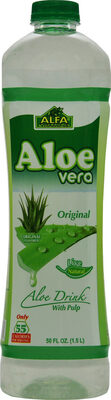 Alfa Laboratories, Inc.
Original Flavored Aloe Vera Drink With Pulp, Original
25kcal
0Protein
0Fat
6.2Carbs
Neuro Brands, Inc.
Lifestyle Beverage, Tangerine Citrus
8kcal
0Protein
0Fat
2.1Carbs
Alfa Laboratories, Inc.
Original Flavored Aloe Vera Drink With Pulp, Original
25kcal
0Protein
0Fat
6.2Carbs
Neuro Brands, Inc.
Lifestyle Beverage, Tangerine Citrus
8kcal
0Protein
0Fat
2.1Carbs
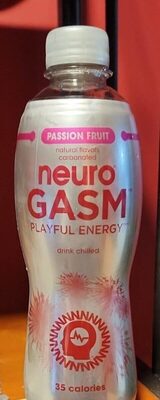 Neuro Brands, Inc.
Lifestyle Beverage, Passion Fruit
8kcal
0Protein
0Fat
2.1Carbs
Neuro Brands, Inc.
Reduce Stress* Dietary Supplement, White Raspberry
8kcal
0Protein
0Fat
2.1Carbs
Neuro Brands, Inc.
Reduce Stress* Lifestyle Beverage, Citrus Berry
8kcal
0Protein
0Fat
2.1Carbs
Neuro Brands, Inc.
Lifestyle Beverage Drink, Cherry Vanilla
12kcal
2.3Protein
0Fat
0.5Carbs
Neuro Brands, Inc.
Daily Lifestyle Beverage, Tangerine Citrus
8kcal
0Protein
0Fat
2.1Carbs
NABU, LLC
Ethiopian Brown Lentil Dip, Spicy
105kcal
7.0Protein
2.6Fat
7.0Carbs
NABU, LLC
Ethiopian Yellow Split Pea Dip, Mild
123kcal
6.5Protein
3.3Fat
17.7Carbs
Neuro Brands, Inc.
Lifestyle Beverage, Passion Fruit
8kcal
0Protein
0Fat
2.1Carbs
Neuro Brands, Inc.
Reduce Stress* Dietary Supplement, White Raspberry
8kcal
0Protein
0Fat
2.1Carbs
Neuro Brands, Inc.
Reduce Stress* Lifestyle Beverage, Citrus Berry
8kcal
0Protein
0Fat
2.1Carbs
Neuro Brands, Inc.
Lifestyle Beverage Drink, Cherry Vanilla
12kcal
2.3Protein
0Fat
0.5Carbs
Neuro Brands, Inc.
Daily Lifestyle Beverage, Tangerine Citrus
8kcal
0Protein
0Fat
2.1Carbs
NABU, LLC
Ethiopian Brown Lentil Dip, Spicy
105kcal
7.0Protein
2.6Fat
7.0Carbs
NABU, LLC
Ethiopian Yellow Split Pea Dip, Mild
123kcal
6.5Protein
3.3Fat
17.7Carbs
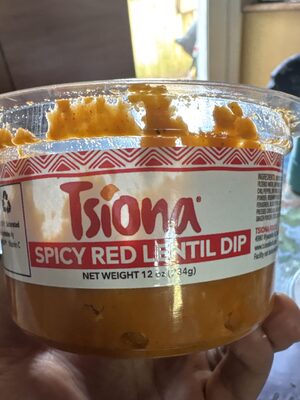 NABU, LLC
Ethiopian Red Split Lentil Dip, Spicy
105kcal
7.0Protein
2.6Fat
7.0Carbs
NABU, LLC
Ethiopian Red Split Lentil Dip, Mild
105kcal
7.0Protein
2.6Fat
7.0Carbs
NABU, LLC
Ethiopian Red Split Lentil Dip, Spicy
105kcal
7.0Protein
2.6Fat
7.0Carbs
NABU, LLC
Ethiopian Red Split Lentil Dip, Mild
105kcal
7.0Protein
2.6Fat
7.0Carbs