Edible Gelatine
What is Edible Gelatine?
Edible gelatine is a protein derived from collagen, typically sourced from animal skin, bones, and connective tissues. It is processed by boiling these animal parts in water, then purifying and drying the resulting gelatinous substance. The final product is usually a powder or sheets that dissolve in liquid.
Is Edible Gelatine vegan?
No. Edible Gelatine is animal-derived, so it is not vegan.
Is Edible Gelatine gluten-free?
It does not contain gluten.
Is Edible Gelatine a major allergen?
Gelatine is derived from animal products and is not a major allergen.
What is Edible Gelatine used for?
Gelatine is primarily used as a gelling agent, thickener, and stabilizer in food products.
Is Edible Gelatine safe?
Gelatine is generally recognized as safe (GRAS) by the FDA for use in food.
Why it's used
Gelatine is primarily used as a gelling agent, thickener, and stabilizer in food products. It gives a chewy texture to candies like gummies and marshmallows, and helps set desserts like Jell-O and mousses. It can also be used in yogurts, ice cream, and some meat products.
Health notes
Gelatine is generally recognized as safe (GRAS) by the FDA for use in food. It is a protein source and is considered safe by regulatory bodies like JECFA and EFSA. While some people take collagen or gelatin supplements for joint or skin health, scientific evidence for these specific benefits is mixed and more research is needed. At typical dietary levels, it is not associated with adverse health effects.
Allergen info
Gelatine is derived from animal products and is not a major allergen. It does not contain gluten.
Foods that contain Edible Gelatine
Compare products →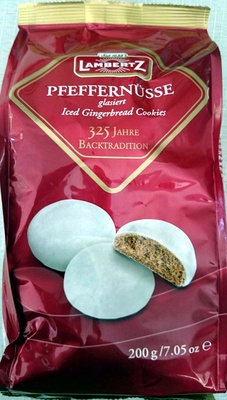 Henry Lambertz Inc.
Lambertz, Iced Gingerbread Cookies
343kcal
5.3Protein
1Fat
80Carbs
Henry Lambertz Inc.
Gingerbread Cookies With Chocolate, Gingerbread With Chocolate
375kcal
4.2Protein
4.2Fat
79.2Carbs
Ferrara Food Company Inc.
Ferrara Hard Nougat With Almonds, 18 Lb, 3.39 Oz
High in added sugars — 52% DV per serving
480kcal
10Protein
22Fat
66Carbs
Henry Lambertz Inc.
Lambertz, Iced Gingerbread Cookies
343kcal
5.3Protein
1Fat
80Carbs
Henry Lambertz Inc.
Gingerbread Cookies With Chocolate, Gingerbread With Chocolate
375kcal
4.2Protein
4.2Fat
79.2Carbs
Ferrara Food Company Inc.
Ferrara Hard Nougat With Almonds, 18 Lb, 3.39 Oz
High in added sugars — 52% DV per serving
480kcal
10Protein
22Fat
66Carbs
Learn more
Auto-generated content. This description was generated automatically and is pending editorial review. Inaccuracies are possible. Found a mistake? Contact us.