Enriched Jasmine Rice
What is Enriched Jasmine Rice?
Enriched Jasmine rice is a long-grain variety of rice, originating from Southeast Asia, particularly Thailand. It is known for its distinct floral aroma and slightly sweet flavor. Enrichment involves adding back essential vitamins and minerals, such as iron and B vitamins, that are lost during the milling process.
Is Enriched Jasmine Rice vegan?
Enriched Jasmine Rice is not animal-derived. Products that contain it can still include other animal-derived ingredients, so check the full ingredient list.
Is Enriched Jasmine Rice gluten-free?
It does not contain gluten.
Is Enriched Jasmine Rice a major allergen?
Rice is not one of the 9 major allergens.
What is Enriched Jasmine Rice used for?
Manufacturers use enriched Jasmine rice as a staple grain in various dishes due to its appealing texture and aroma.
Is Enriched Jasmine Rice safe?
Enriched Jasmine rice is a grain and a source of carbohydrates.
Why it's used
Manufacturers use enriched Jasmine rice as a staple grain in various dishes due to its appealing texture and aroma. It is commonly found in packaged rice products, side dishes, and as a base for stir-fries and curries. The enrichment adds nutritional value, making it a more complete food source.
Health notes
Enriched Jasmine rice is a grain and a source of carbohydrates. The added vitamins and minerals contribute to its nutritional profile. The U.S. Food and Drug Administration (FDA) considers enriched grains to be a safe and valuable part of the diet. JECFA and EFSA have evaluated many vitamins and minerals added during enrichment, generally affirming their safety when consumed as part of a balanced diet.
Allergen info
Rice is not one of the 9 major allergens. It does not contain gluten.
Foods that contain Enriched Jasmine Rice
Compare products →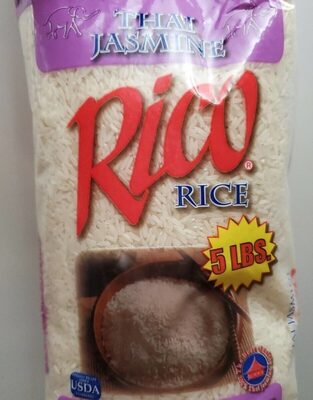 Pan American Grain Mfg. Co. Inc,
Prime Fragrant Enriched Thai Jasmine Rice
356kcal
6.7Protein
0Fat
77.8Carbs
International World-Wide Trading Solutions
Supreme Quality Jasmine Rice
356kcal
6.7Protein
0Fat
82.2Carbs
Uncle Ben's Inc.
Uncle Ben's, Jasmine Enriched Rice
340kcal
6.4Protein
0Fat
78.7Carbs
Pan American Grain Mfg. Co. Inc,
Prime Fragrant Enriched Thai Jasmine Rice
356kcal
6.7Protein
0Fat
77.8Carbs
International World-Wide Trading Solutions
Supreme Quality Jasmine Rice
356kcal
6.7Protein
0Fat
82.2Carbs
Uncle Ben's Inc.
Uncle Ben's, Jasmine Enriched Rice
340kcal
6.4Protein
0Fat
78.7Carbs
Learn more
Auto-generated content. This description was generated automatically and is pending editorial review. Inaccuracies are possible. Found a mistake? Contact us.