Enriched Wheat Pasta
What is Enriched Wheat Pasta?
Enriched wheat pasta is a food product made primarily from wheat flour that has been fortified with essential nutrients. During the milling process, some nutrients are lost, so enrichment involves adding back iron and B vitamins like folic acid, niacin, riboflavin, and thiamine.
Is Enriched Wheat Pasta vegan?
Enriched Wheat Pasta is not animal-derived. Products that contain it can still include other animal-derived ingredients, so check the full ingredient list.
Is Enriched Wheat Pasta gluten-free?
Wheat is one of the nine major FDA allergens and contains gluten.
What is Enriched Wheat Pasta used for?
Manufacturers use enriched wheat pasta as a primary ingredient to provide bulk, texture, and carbohydrates in various food products.
Is Enriched Wheat Pasta safe?
Enriched wheat pasta is a common food ingredient, not an additive, and is generally recognized as safe.
Why it's used
Manufacturers use enriched wheat pasta as a primary ingredient to provide bulk, texture, and carbohydrates in various food products. It is a common base for meals, often found in prepared soups, frozen dinners, and noodle dishes.
Health notes
Enriched wheat pasta is a common food ingredient, not an additive, and is generally recognized as safe. The FDA mandates the enrichment of certain wheat flours to help prevent nutrient deficiencies in the population. JECFA and EFSA do not typically evaluate basic food ingredients like enriched wheat pasta as they do food additives, but the nutrients used for enrichment are well-studied. There are no notable controversies regarding enriched wheat pasta itself, though dietary guidelines often encourage consumption of whole grains over refined grains.
Allergen info
Wheat is one of the nine major FDA allergens and contains gluten.
Foods that contain Enriched Wheat Pasta
Compare products →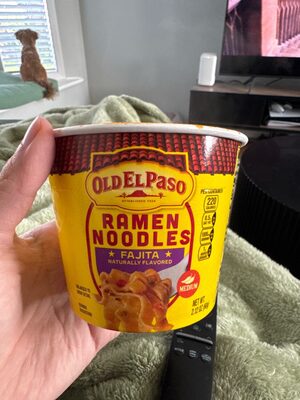 GENERAL MILLS SALES INC.
Old El Paso Fajita Ramen Noodles
High in sodium — 43% DV per serving
367kcal
11.7Protein
3.3Fat
71.7Carbs
GENERAL MILLS SALES INC.
Old El Paso Fajita Ramen Noodles
High in sodium — 43% DV per serving
367kcal
11.7Protein
3.3Fat
71.7Carbs
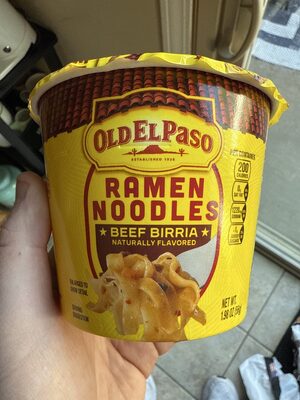 GENERAL MILLS SALES INC.
Old El Paso Birria Ramen Noodles
High in sodium — 53% DV per serving
357kcal
12.5Protein
2.7Fat
67.9Carbs
GENERAL MILLS SALES INC.
Old El Paso Birria Ramen Noodles
High in sodium — 53% DV per serving
357kcal
12.5Protein
2.7Fat
67.9Carbs
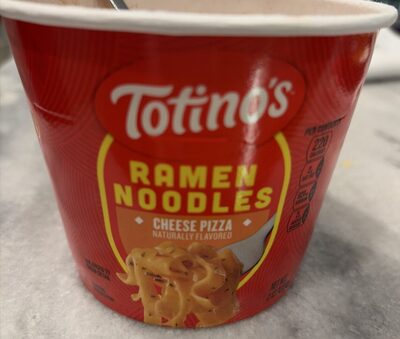 GENERAL MILLS SALES INC.
Totino's Cheese Pizza Ramen Noodles
High in sodium — 40% DV per serving
367kcal
10Protein
5Fat
70Carbs
GENERAL MILLS SALES INC.
Totino's Cheese Pizza Ramen Noodles
High in sodium — 40% DV per serving
367kcal
10Protein
5Fat
70Carbs
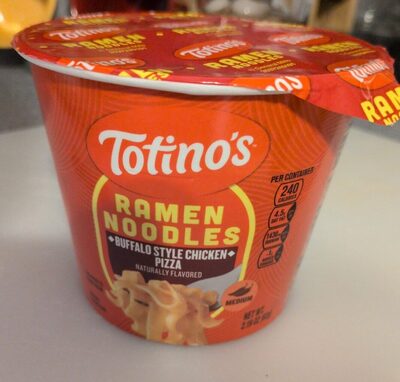 GENERAL MILLS SALES INC.
Totino's Buffalo Chicken Pizza Ramen Noodles
High in sodium — 62% DV per serving
High in saturated fat — 23% DV per serving
387kcal
11.3Protein
9.7Fat
64.5Carbs
GENERAL MILLS SALES INC.
Totino's Buffalo Chicken Pizza Ramen Noodles
High in sodium — 62% DV per serving
High in saturated fat — 23% DV per serving
387kcal
11.3Protein
9.7Fat
64.5Carbs
Learn more
Auto-generated content. This description was generated automatically and is pending editorial review. Inaccuracies are possible. Found a mistake? Contact us.