Eumulsifier
What is Eumulsifier?
Emulsifiers are substances that help mix ingredients that normally don't mix well, like oil and water. They are often made from fats and oils, which can come from plants (like soy or sunflower) or animals. These substances have a unique structure that allows them to connect with both water and oil molecules.
Is Eumulsifier a major allergen?
Not a major allergen.
What is Eumulsifier used for?
Manufacturers add emulsifiers to improve the texture and consistency of foods, preventing ingredients from separating.
Is Eumulsifier safe?
Emulsifiers are generally recognized as safe (GRAS) by the FDA when used in food.
Why it's used
Manufacturers add emulsifiers to improve the texture and consistency of foods, preventing ingredients from separating. They are commonly found in products like ice cream, mayonnaise, salad dressings, and baked goods, where they help create a smooth and stable mixture.
Health notes
Emulsifiers are generally recognized as safe (GRAS) by the FDA when used in food. Regulatory bodies like the Joint FAO/WHO Expert Committee on Food Additives (JECFA) and the European Food Safety Authority (EFSA) have evaluated many emulsifiers. While generally considered safe at typical consumption levels, some research has explored potential effects of certain emulsifiers on gut health, with mixed findings and ongoing scientific discussion.
Allergen info
Not a major allergen. However, some emulsifiers are derived from major allergens like soy or eggs, and this information should be checked on the product label.
Foods that contain Eumulsifier
Compare products →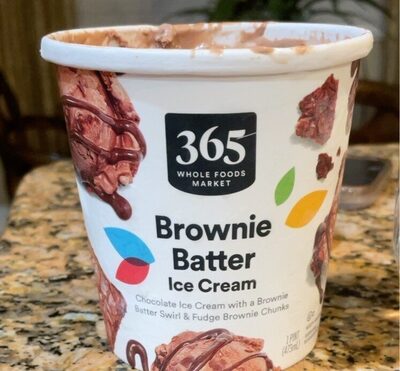 Whole Foods Market, Inc.
Brownie Batter Chocolate Ice Cream With A Brownie Batter Swirl & Fudge Brownie Chunks, Brownie Batter
High in saturated fat — 35% DV per serving
High in added sugars — 32% DV per serving
258kcal
4.1Protein
13.4Fat
30.9Carbs
Night Hawk Frozen Foods, Inc.
Night Hawk, Breakfast Sausage With French Toast Sticks 'N Scrambled Eggs
High in sodium — 43% DV per serving
High in saturated fat — 35% DV per serving
High in cholesterol — 84% DV per serving
238kcal
12.9Protein
11.9Fat
19.2Carbs
Schnuck Markets, Inc.
Almonds & Sea Salt Roasted Almond Slivers And Sea Salt In Rich Premium Belgian Dark Chocolate, Almonds & Sea Salt
High in saturated fat — 25% DV per serving
560kcal
8Protein
36Fat
52Carbs
Whole Foods Market, Inc.
Brownie Batter Chocolate Ice Cream With A Brownie Batter Swirl & Fudge Brownie Chunks, Brownie Batter
High in saturated fat — 35% DV per serving
High in added sugars — 32% DV per serving
258kcal
4.1Protein
13.4Fat
30.9Carbs
Night Hawk Frozen Foods, Inc.
Night Hawk, Breakfast Sausage With French Toast Sticks 'N Scrambled Eggs
High in sodium — 43% DV per serving
High in saturated fat — 35% DV per serving
High in cholesterol — 84% DV per serving
238kcal
12.9Protein
11.9Fat
19.2Carbs
Schnuck Markets, Inc.
Almonds & Sea Salt Roasted Almond Slivers And Sea Salt In Rich Premium Belgian Dark Chocolate, Almonds & Sea Salt
High in saturated fat — 25% DV per serving
560kcal
8Protein
36Fat
52Carbs
Learn more
Auto-generated content. This description was generated automatically and is pending editorial review. Inaccuracies are possible. Found a mistake? Contact us.