Extract
Auto-generated content. This description was generated automatically and is pending editorial review. Inaccuracies are possible. Found a mistake? Contact us.
What it is
Extract is a general term for a substance obtained by separating a desired component from a raw material. This is usually done using a solvent like water, alcohol, or oil to pull out flavors, colors, or active compounds. The solvent is then removed, leaving a concentrated extract.
Why it's used
Extracts are primarily used to add or intensify flavors and aromas in foods. They are common in baked goods, beverages, candies, and savory items like sauces and processed meats. Different types of extracts, such as vanilla, almond, or fruit extracts, provide distinct taste profiles.
Health notes
Many common food extracts are Generally Recognized As Safe (GRAS) by the FDA for their intended use. Regulatory bodies like JECFA and EFSA have evaluated many flavoring substances, often establishing acceptable daily intakes. At typical consumption levels found in food, extracts are not associated with adverse health effects. Some individuals may have sensitivities or allergies to specific components within an extract.
Allergen info
Extracts can sometimes be derived from major allergens like tree nuts or soy. For example, almond extract is derived from almonds. Manufacturers must clearly label products containing such extracts. Not a major allergen unless the source ingredient is.
Products containing Extract
Compare products →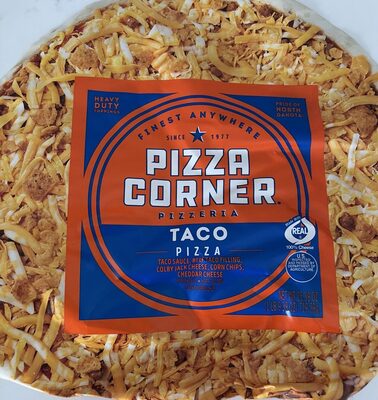 Pizza Corner
Pizza, Taco
High in sodium — 25% DV per serving
High in saturated fat — 30% DV per serving
236kcal
10.2Protein
7.0Fat
27.4Carbs
Pizza Corner
Pizza, Taco
High in sodium — 25% DV per serving
High in saturated fat — 30% DV per serving
236kcal
10.2Protein
7.0Fat
27.4Carbs