Fat Reduced Pepperoni Made With Turkey
Auto-generated content. This description was generated automatically and is pending editorial review. Inaccuracies are possible. Found a mistake? Contact us.
What it is
Fat Reduced Pepperoni Made With Turkey is a type of cured, seasoned, and often fermented sausage product, similar to traditional pepperoni, but made primarily from turkey meat instead of pork and beef. It is processed to have a lower fat content than regular pepperoni. The turkey meat is typically ground, mixed with spices, curing agents, and sometimes other ingredients, then formed into casings and dried or smoked.
Why it's used
Manufacturers use this ingredient to add a savory, spicy flavor and a chewy texture to various food products. It serves as a protein component and a flavor enhancer. It is commonly found in prepared foods like sandwiches, wraps, pizzas, and other savory baked goods.
Health notes
As a processed meat product, its regulatory status falls under general food regulations by the FDA. The International Agency for Research on Cancer (IARC) has classified processed meat as carcinogenic to humans (Group 1), based on sufficient evidence that consumption causes colorectal cancer. This classification applies to processed meats in general, including turkey pepperoni. It is important to note that this classification refers to the overall category of processed meats and not specifically to this particular ingredient.
Allergen info
Turkey is not one of the nine major food allergens identified by the FDA. However, specific formulations of turkey pepperoni may contain other ingredients like dairy, soy, or wheat, which are common allergens. Consumers should check product labels for a complete list of ingredients.
Products containing Fat Reduced Pepperoni Made With Turkey
Compare products →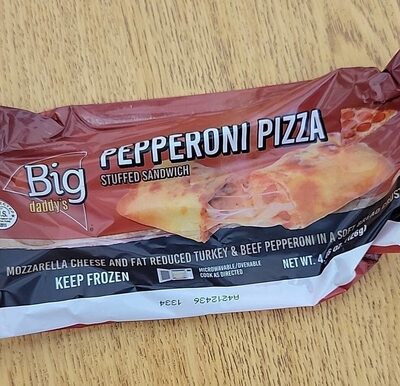 SCHWAN'S FOOD SERVICE INC
Sfs Big Daddy's Pepp Stf Sand Wg Iw Net Wt 13.38Lbs 48Ct
High in sodium — 26% DV per serving
High in saturated fat — 25% DV per serving
238kcal
15.1Protein
9.5Fat
24.6Carbs
SCHWAN'S FOOD SERVICE INC
Sfs Big Daddy's Stf Sand Wg Pepp 48Ct Cn Sfs Big Daddy's Stf Sand Wg Pepp 48Ct Net Wt 13.38Lbs Cn
High in sodium — 26% DV per serving
High in saturated fat — 25% DV per serving
238kcal
15.1Protein
9.5Fat
24.6Carbs
SCHWAN'S FOOD SERVICE INC
Sfs Tony's Galaxy Wg Pepperoni 100% Net Wt 20.30Lbs 12-6Pk Cn
High in sodium — 21% DV per serving
High in saturated fat — 30% DV per serving
228kcal
12.6Protein
10.2Fat
22.1Carbs
SCHWAN'S FOOD SERVICE INC
Sfs Tony's Galaxy Wg Pepperoni 100% Net Wt 20.30Lbs - Iw 72Ct Cn
High in sodium — 21% DV per serving
High in saturated fat — 30% DV per serving
228kcal
12.6Protein
10.2Fat
22.1Carbs
SCHWAN'S FOOD SERVICE INC
Sfs Big Daddy's Pepp Stf Sand Wg Iw Net Wt 13.38Lbs 48Ct
High in sodium — 26% DV per serving
High in saturated fat — 25% DV per serving
238kcal
15.1Protein
9.5Fat
24.6Carbs
SCHWAN'S FOOD SERVICE INC
Sfs Big Daddy's Stf Sand Wg Pepp 48Ct Cn Sfs Big Daddy's Stf Sand Wg Pepp 48Ct Net Wt 13.38Lbs Cn
High in sodium — 26% DV per serving
High in saturated fat — 25% DV per serving
238kcal
15.1Protein
9.5Fat
24.6Carbs
SCHWAN'S FOOD SERVICE INC
Sfs Tony's Galaxy Wg Pepperoni 100% Net Wt 20.30Lbs 12-6Pk Cn
High in sodium — 21% DV per serving
High in saturated fat — 30% DV per serving
228kcal
12.6Protein
10.2Fat
22.1Carbs
SCHWAN'S FOOD SERVICE INC
Sfs Tony's Galaxy Wg Pepperoni 100% Net Wt 20.30Lbs - Iw 72Ct Cn
High in sodium — 21% DV per serving
High in saturated fat — 30% DV per serving
228kcal
12.6Protein
10.2Fat
22.1Carbs