FD&C Yellow No 5 FD&C Yellow No 6
What is FD&C Yellow No 5 FD&C Yellow No 6?
FD&C Yellow No. 5 (also known as Tartrazine) and FD&C Yellow No. 6 (also known as Sunset Yellow FCF) are synthetic color additives. They are manufactured from petroleum-based raw materials through chemical synthesis.
Is FD&C Yellow No 5 FD&C Yellow No 6 vegan?
FD&C Yellow No 5 FD&C Yellow No 6 is not animal-derived. Products that contain it can still include other animal-derived ingredients, so check the full ingredient list.
Is FD&C Yellow No 5 FD&C Yellow No 6 a major allergen?
Not a major allergen.
What is FD&C Yellow No 5 FD&C Yellow No 6 used for?
These dyes are used to impart yellow and orange colors to a wide variety of foods and beverages.
Is FD&C Yellow No 5 FD&C Yellow No 6 safe?
FD&C Yellow No. 5 and FD&C Yellow No. 6 are approved by the FDA for use as color additives in food.
Why it's used
These dyes are used to impart yellow and orange colors to a wide variety of foods and beverages. They are commonly found in products like candies, snack foods, soft drinks, and baked goods to enhance their visual appeal.
Health notes
FD&C Yellow No. 5 and FD&C Yellow No. 6 are approved by the FDA for use as color additives in food. In April 2025, the FDA announced a plan to phase out petroleum-based synthetic dyes, which includes Yellow 5 and Yellow 6. JECFA has evaluated both dyes and set an acceptable daily intake. EFSA has also evaluated these dyes. Some studies have suggested a possible link between synthetic food dyes, including Yellow 5 and Yellow 6, and hyperactivity in some children. However, the evidence is mixed, and the FDA states that for the general population, the evidence does not show a causal link between these dyes and hyperactivity, though some children may be sensitive.
Allergen info
Not a major allergen.
Foods that contain FD&C Yellow No 5 FD&C Yellow No 6
Compare products →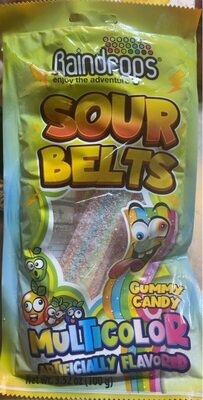 Gilha International, Inc.
Sour Belts Multicolor Gummy Candy, Sour Belts
High in added sugars — 36% DV per serving
333kcal
3.0Protein
0Fat
81.8Carbs
D.S.D. Merchandisers, Inc.
All Fruit Mix
325kcal
2.5Protein
2.5Fat
77.5Carbs
Global Garlic Inc.
Basil Seed Drink With Passion Fruit, Passion Fruit
High in added sugars — 80% DV per serving
59kcal
0Protein
0Fat
14.5Carbs
Jo-Lee Food Products, Inc.
Holiday Miniature Mix
400kcal
0Protein
0Fat
93.3Carbs
Vista Del Mar LLC
Mango Chamoy Rim Dip, Mango Chamoy
179kcal
0Protein
0Fat
46.4Carbs
Gilha International, Inc.
Sour Belts Multicolor Gummy Candy, Sour Belts
High in added sugars — 36% DV per serving
333kcal
3.0Protein
0Fat
81.8Carbs
D.S.D. Merchandisers, Inc.
All Fruit Mix
325kcal
2.5Protein
2.5Fat
77.5Carbs
Global Garlic Inc.
Basil Seed Drink With Passion Fruit, Passion Fruit
High in added sugars — 80% DV per serving
59kcal
0Protein
0Fat
14.5Carbs
Jo-Lee Food Products, Inc.
Holiday Miniature Mix
400kcal
0Protein
0Fat
93.3Carbs
Vista Del Mar LLC
Mango Chamoy Rim Dip, Mango Chamoy
179kcal
0Protein
0Fat
46.4Carbs
Learn more
Auto-generated content. This description was generated automatically and is pending editorial review. Inaccuracies are possible. Found a mistake? Contact us.