Fed With Astaxanthin
What is Fed With Astaxanthin?
Astaxanthin is a reddish-pink pigment found naturally in algae, yeast, salmon, trout, krill, shrimp, and crayfish. It is often produced commercially through the cultivation of microalgae, such as Haematococcus pluvialis. The pigment is then extracted and purified for use as a food ingredient.
Is Fed With Astaxanthin a major allergen?
Astaxanthin is not a major allergen.
What is Fed With Astaxanthin used for?
Astaxanthin is primarily used as a natural colorant, giving foods a pink or reddish hue.
Is Fed With Astaxanthin safe?
Astaxanthin is generally recognized as safe (GRAS) by the FDA for use in food.
Why it's used
Astaxanthin is primarily used as a natural colorant, giving foods a pink or reddish hue. It is also valued for its antioxidant properties. It is commonly found in seafood products like sushi, smoked salmon, and shrimp, as well as in some dietary supplements.
Health notes
Astaxanthin is generally recognized as safe (GRAS) by the FDA for use in food. It is known for its potent antioxidant activity, which may help protect cells from damage. While research suggests potential health benefits, such as anti-inflammatory effects, more studies are needed to confirm these. JECFA has evaluated astaxanthin and established an acceptable daily intake.
Allergen info
Astaxanthin is not a major allergen. It is naturally found in fish and shellfish, but the ingredient itself is not derived from the major allergens.
Foods that contain Fed With Astaxanthin
Compare products →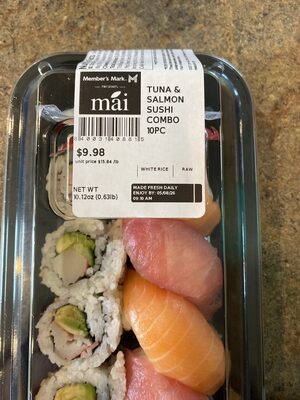
Learn more
Auto-generated content. This description was generated automatically and is pending editorial review. Inaccuracies are possible. Found a mistake? Contact us.