Freeze-dried Miso
What is Freeze-dried Miso?
Miso is a traditional Japanese seasoning produced by fermenting soybeans with salt and koji, a mold called Aspergillus oryzae. Freeze-dried miso is created by removing water from miso through a process called freeze-drying, which helps preserve its flavor and nutrients. This process results in a shelf-stable powder or flakes.
Is Freeze-dried Miso vegan?
Freeze-dried Miso is not animal-derived. Products that contain it can still include other animal-derived ingredients, so check the full ingredient list.
Is Freeze-dried Miso gluten-free?
It does not typically contain gluten unless wheat is used in the fermentation process.
Is Freeze-dried Miso a major allergen?
Miso is derived from soybeans, which are one of the 9 FDA major allergens.
What is Freeze-dried Miso used for?
Freeze-dried miso is used to add a savory, umami flavor to foods.
Is Freeze-dried Miso safe?
Miso is generally recognized as safe (GRAS) by the FDA for use in food.
Why it's used
Freeze-dried miso is used to add a savory, umami flavor to foods. Manufacturers add it to dry soup mixes, instant noodles, sauces, and marinades. It can also be used as a seasoning for snacks or as a base for dressings.
Health notes
Miso is generally recognized as safe (GRAS) by the FDA for use in food. It is a fermented food and a source of probiotics, which may support gut health. JECFA has evaluated miso and noted its nutritional value. Some studies suggest potential benefits of fermented foods like miso, but more research is needed to confirm these effects.
Allergen info
Miso is derived from soybeans, which are one of the 9 FDA major allergens. It does not typically contain gluten unless wheat is used in the fermentation process.
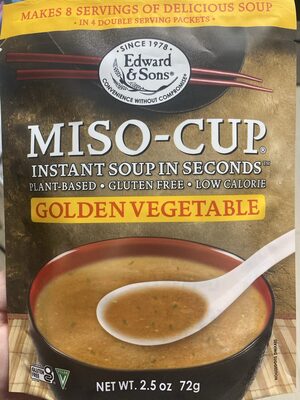
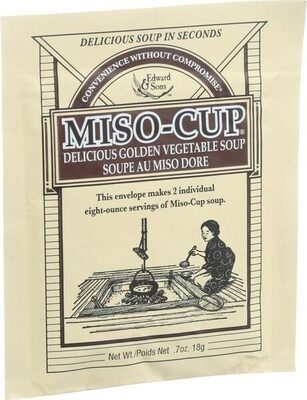
Foods that contain Freeze-dried Miso
Compare products →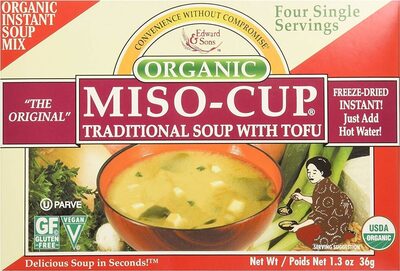
Learn more
Auto-generated content. This description was generated automatically and is pending editorial review. Inaccuracies are possible. Found a mistake? Contact us.