French Grey Sea Salt
Auto-generated content. This description was generated automatically and is pending editorial review. Inaccuracies are possible. Found a mistake? Contact us.
What it is
French grey sea salt, also known as sel gris, is a type of sea salt harvested by hand from clay-rich tidal ponds in the Guérande region of France. The salt crystals are naturally moist and retain minerals and trace elements from the clay, giving them a distinctive grey color and subtle flavor.
Why it's used
Manufacturers use French grey sea salt primarily as a finishing salt to add a mild, complex salty flavor and a touch of moisture to foods. Its unique taste makes it popular in gourmet cooking, especially for seasoning meats, vegetables, and baked goods, and it is also used in some confections and preserved items.
Health notes
French grey sea salt is chemically similar to table salt (sodium chloride) and is generally recognized as safe (GRAS) by the FDA for use as a food ingredient. Like other salts, excessive intake can contribute to high blood pressure in some individuals. The Joint FAO/WHO Expert Committee on Food Additives (JECFA) has evaluated salt and sodium compounds. Evidence on the health effects of moderate salt consumption is mixed, with some studies linking it to increased blood pressure and others highlighting its essential role in bodily functions.
Allergen info
Not a major allergen.
Products containing French Grey Sea Salt
Compare products →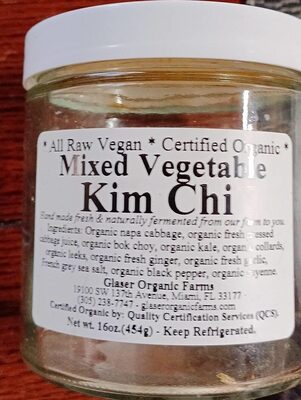 Glaser Farms
Mixed Vegetable Kim Chi, Mixed Vegetable
42kcal
2.8Protein
0Fat
8.4Carbs
Glaser Farms
Mixed Vegetable Kim Chi, Mixed Vegetable
42kcal
2.8Protein
0Fat
8.4Carbs
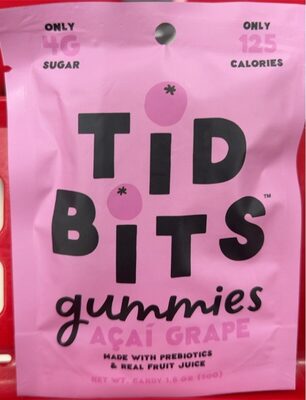 2178 Kensington Ave., Inc.
Acai Grape Gummies, Acai Grape
250kcal
10Protein
0Fat
52Carbs
2178 Kensington Ave., Inc.
Acai Grape Gummies, Acai Grape
250kcal
10Protein
0Fat
52Carbs
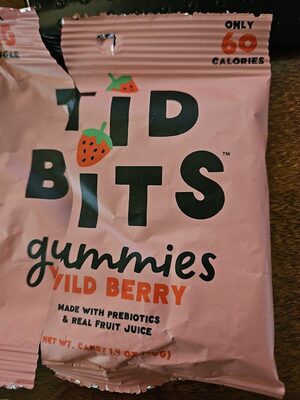 2178 Kensington Ave., Inc.
Wild Berry Gummies, Wild Berry
250kcal
10Protein
0Fat
52Carbs
2178 Kensington Ave., Inc.
Tropical Citrus Gummies, Tropical Citrus
250kcal
10Protein
0Fat
52Carbs
John Kelly Foods, Inc.
Truffle Fudge Bites
High in saturated fat — 22% DV per serving
464kcal
3.6Protein
25Fat
60.7Carbs
John Kelly Foods, Inc.
John Kelly Chocolates, Handcrafted Chocolate Collection, Eight Piece Truffle Fudge And Cluster Assortment
High in saturated fat — 22% DV per serving
500kcal
3.6Protein
28.6Fat
57.1Carbs
2178 Kensington Ave., Inc.
Wild Berry Gummies, Wild Berry
250kcal
10Protein
0Fat
52Carbs
2178 Kensington Ave., Inc.
Tropical Citrus Gummies, Tropical Citrus
250kcal
10Protein
0Fat
52Carbs
John Kelly Foods, Inc.
Truffle Fudge Bites
High in saturated fat — 22% DV per serving
464kcal
3.6Protein
25Fat
60.7Carbs
John Kelly Foods, Inc.
John Kelly Chocolates, Handcrafted Chocolate Collection, Eight Piece Truffle Fudge And Cluster Assortment
High in saturated fat — 22% DV per serving
500kcal
3.6Protein
28.6Fat
57.1Carbs