Fresh Clams
What is Fresh Clams?
Clams are bivalve mollusks, which are marine or freshwater animals with a soft body enclosed in a shell. They are typically harvested from ocean beds or cultivated in aquaculture farms. Fresh clams are sold live in their shells or shucked (removed from the shell) and may be eaten raw or cooked.
Is Fresh Clams vegan?
No. Fresh Clams is animal-derived, so it is not vegan.
Is Fresh Clams a major allergen?
Clams are classified as shellfish, which is one of the 9 FDA major allergens.
What is Fresh Clams used for?
Clams are a popular seafood ingredient, prized for their distinct briny flavor and tender texture.
Is Fresh Clams safe?
Clams are a natural food source and are not subject to FDA additive regulations.
Why it's used
Clams are a popular seafood ingredient, prized for their distinct briny flavor and tender texture. They are commonly used in soups and chowders, pasta dishes, and steamed preparations. Manufacturers use them to add a rich, savory seafood taste to a variety of dishes.
Health notes
Clams are a natural food source and are not subject to FDA additive regulations. They are a good source of protein, vitamins, and minerals like vitamin B12, selenium, and zinc. As with any seafood, consuming raw or undercooked clams carries a risk of foodborne illness. JECFA and EFSA have not evaluated clams as food additives, as they are a whole food.
Allergen info
Clams are classified as shellfish, which is one of the 9 FDA major allergens. People with shellfish allergies should avoid consuming clams.
Foods that contain Fresh Clams
Compare products →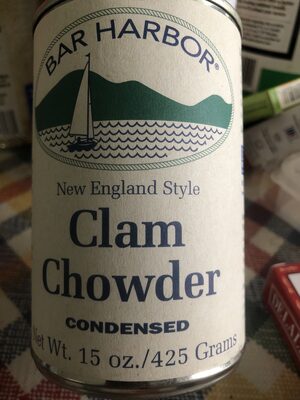
Auto-generated content. This description was generated automatically and is pending editorial review. Inaccuracies are possible. Found a mistake? Contact us.