Fresh Kale
What is Fresh Kale?
Kale is a leafy green vegetable belonging to the Brassica family, which also includes cabbage and broccoli. It is grown for its edible leaves, which can be eaten raw or cooked. The leaves are typically dark green and can be curly or flat depending on the variety.
Is Fresh Kale vegan?
Fresh Kale is not animal-derived. Products that contain it can still include other animal-derived ingredients, so check the full ingredient list.
Is Fresh Kale gluten-free?
It does not contain gluten.
Is Fresh Kale a major allergen?
Kale is not one of the nine major allergens recognized by the FDA.
What is Fresh Kale used for?
Kale is often used as a nutritious ingredient in a variety of foods, including juices, smoothies, salads, and baked goods.
Is Fresh Kale safe?
Kale is a nutrient-dense food, rich in vitamins A, C, and K, as well as fiber and antioxidants.
Why it's used
Kale is often used as a nutritious ingredient in a variety of foods, including juices, smoothies, salads, and baked goods. Manufacturers add it for its nutritional value, contributing vitamins, minerals, and fiber. It can also add a slightly earthy flavor and texture to dishes.
Health notes
Kale is a nutrient-dense food, rich in vitamins A, C, and K, as well as fiber and antioxidants. The FDA recognizes kale as a healthy food. International bodies like EFSA have evaluated kale and its components. Evidence suggests that diets rich in vegetables like kale are associated with positive health outcomes.
Allergen info
Kale is not one of the nine major allergens recognized by the FDA. It does not contain gluten.
Foods that contain Fresh Kale
Compare products →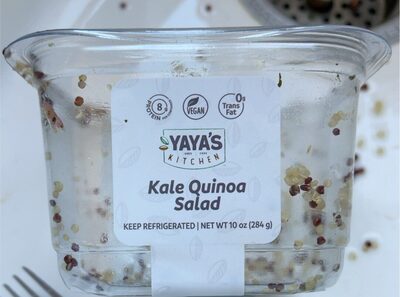
Auto-generated content. This description was generated automatically and is pending editorial review. Inaccuracies are possible. Found a mistake? Contact us.