From Soya And Polyglycerol Polyricinoleate
Auto-generated content. This description was generated automatically and is pending editorial review. Inaccuracies are possible. Found a mistake? Contact us.
What it is
Polyglycerol polyricinoleate (PGPR) is a food additive made from polyglycerol and ricinoleic acid, which is derived from castor oil. It is produced by heating these ingredients together. PGPR is a viscous liquid that is soluble in fats and oils.
Why it's used
Manufacturers use PGPR as an emulsifier, which helps to blend ingredients that don't normally mix, like oil and water. It is commonly found in chocolate and cocoa products to improve texture and reduce the amount of cocoa butter needed. It can also be used in baked goods, chewing gum, and some processed foods.
Health notes
In the U.S., PGPR is Generally Recognized As Safe (GRAS) by the FDA for use as an emulsifier. International bodies like the Joint FAO/WHO Expert Committee on Food Additives (JECFA) and the European Food Safety Authority (EFSA) have also evaluated PGPR. Studies on PGPR have generally found it to be safe at typical consumption levels. There are no widespread controversies regarding its use.
Allergen info
PGPR is not derived from any of the 9 FDA major allergens. It does not contain gluten.
Products containing From Soya And Polyglycerol Polyricinoleate
Compare products → Plum Filling Chocolate Covered Gingerbread, Plum
High in added sugars — 34% DV per serving
376kcal
4.5Protein
7.9Fat
73.7Carbs
Plum Filling Chocolate Covered Gingerbread, Plum
High in added sugars — 34% DV per serving
376kcal
4.5Protein
7.9Fat
73.7Carbs
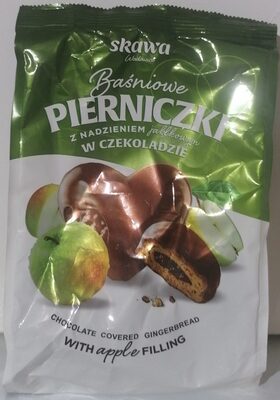 Apple Filling Chocolate Covered Gingerbread, Apple
High in added sugars — 34% DV per serving
376kcal
4.5Protein
7.9Fat
73.7Carbs
Apple Filling Chocolate Covered Gingerbread, Apple
High in added sugars — 34% DV per serving
376kcal
4.5Protein
7.9Fat
73.7Carbs
 Strawberry Filling Chocolate Covered Gingerbread, Strawberry
High in added sugars — 34% DV per serving
376kcal
4.5Protein
7.9Fat
73.7Carbs
Strawberry Filling Chocolate Covered Gingerbread, Strawberry
High in added sugars — 34% DV per serving
376kcal
4.5Protein
7.9Fat
73.7Carbs