Rape Oil
Auto-generated content. This description was generated automatically and is pending editorial review. Inaccuracies are possible. Found a mistake? Contact us.
What it is
Rape oil, more commonly known as canola oil in North America, is a vegetable oil derived from the seeds of the rapeseed plant. The seeds are cleaned, crushed, and then the oil is extracted, often using a solvent like hexane. The crude oil is then refined to remove impurities, resulting in a neutral-tasting oil.
Why it's used
Canola oil is a popular cooking oil due to its mild flavor and versatility. It's used in a wide variety of processed foods, including baked goods, salad dressings, sauces, and fried products. Manufacturers use it for its cooking properties, to add moisture, and as a base for other ingredients.
Health notes
Canola oil is generally recognized as safe (GRAS) by the FDA for use in food. It is a source of monounsaturated and polyunsaturated fats, including omega-3 fatty acids. Regulatory bodies like the WHO/IARC and EFSA have evaluated edible oils, but specific evaluations of canola oil's health effects at typical consumption levels are ongoing. Some studies suggest potential benefits from its fatty acid profile, while others raise questions about processing methods and potential effects of erucic acid, though modern varieties are bred to have very low levels.
Allergen info
Canola oil is not derived from any of the nine FDA major allergens. It is also gluten-free.
Products containing Rape Oil
Compare products →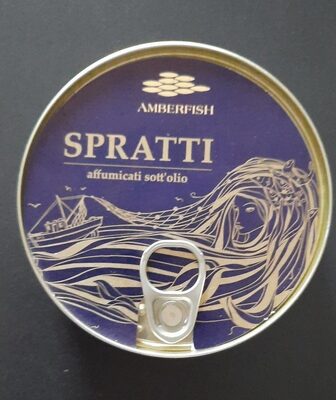 AMBERFISH
Sprats In Oil.
High in saturated fat — 50% DV per serving
High in cholesterol — 20% DV per serving
356kcal
16.4Protein
32.7Fat
0Carbs
Square Enterprises Corp.
Hazelnut Wafer In Milk Chocolate
High in saturated fat — 20% DV per serving
532kcal
7.5Protein
30Fat
60Carbs
Square Enterprises Corp.
Chrzan Horseradish
100kcal
0Protein
0Fat
20Carbs
Square Enterprises Corp.
Krakus, Chocolate Cream Filled Wafers
509kcal
7.4Protein
25.9Fat
63.0Carbs
Honey World Inc.
Cappuccino Candy
414kcal
0Protein
7.1Fat
92.9Carbs
Plum Filling Chocolate Covered Gingerbread, Plum
High in added sugars — 34% DV per serving
376kcal
4.5Protein
7.9Fat
73.7Carbs
Apple Filling Chocolate Covered Gingerbread, Apple
High in added sugars — 34% DV per serving
376kcal
4.5Protein
7.9Fat
73.7Carbs
Strawberry Filling Chocolate Covered Gingerbread, Strawberry
High in added sugars — 34% DV per serving
376kcal
4.5Protein
7.9Fat
73.7Carbs
AMBERFISH
Sprats In Oil.
High in saturated fat — 50% DV per serving
High in cholesterol — 20% DV per serving
356kcal
16.4Protein
32.7Fat
0Carbs
Square Enterprises Corp.
Hazelnut Wafer In Milk Chocolate
High in saturated fat — 20% DV per serving
532kcal
7.5Protein
30Fat
60Carbs
Square Enterprises Corp.
Chrzan Horseradish
100kcal
0Protein
0Fat
20Carbs
Square Enterprises Corp.
Krakus, Chocolate Cream Filled Wafers
509kcal
7.4Protein
25.9Fat
63.0Carbs
Honey World Inc.
Cappuccino Candy
414kcal
0Protein
7.1Fat
92.9Carbs
Plum Filling Chocolate Covered Gingerbread, Plum
High in added sugars — 34% DV per serving
376kcal
4.5Protein
7.9Fat
73.7Carbs
Apple Filling Chocolate Covered Gingerbread, Apple
High in added sugars — 34% DV per serving
376kcal
4.5Protein
7.9Fat
73.7Carbs
Strawberry Filling Chocolate Covered Gingerbread, Strawberry
High in added sugars — 34% DV per serving
376kcal
4.5Protein
7.9Fat
73.7Carbs