Sodium Carbonates
What is Sodium Carbonates?
Sodium carbonates are salts that occur naturally in mineral deposits and are also produced industrially. They are made from sodium chloride (salt) and limestone (calcium carbonate) through a process called the Solvay process. Sodium carbonate is also known as soda ash.
Is Sodium Carbonates vegan?
Sodium Carbonates is not animal-derived. Products that contain it can still include other animal-derived ingredients, so check the full ingredient list.
Is Sodium Carbonates a major allergen?
Not a major allergen.
What is Sodium Carbonates used for?
Sodium carbonates are used as acidity regulators and leavening agents in baked goods like cookies, cakes, and crackers.
Is Sodium Carbonates safe?
Sodium carbonates are generally recognized as safe (GRAS) by the FDA for use in food.
Why it's used
Sodium carbonates are used as acidity regulators and leavening agents in baked goods like cookies, cakes, and crackers. They help control the pH of foods and contribute to the texture and rise of products. They can also be used as a stabilizer or anti-caking agent.
Health notes
Sodium carbonates are generally recognized as safe (GRAS) by the FDA for use in food. They are a source of sodium, and high sodium intake is linked to high blood pressure. However, the amount of sodium from sodium carbonates in typical food servings is usually small. International bodies like JECFA have evaluated sodium carbonates.
Allergen info
Not a major allergen.
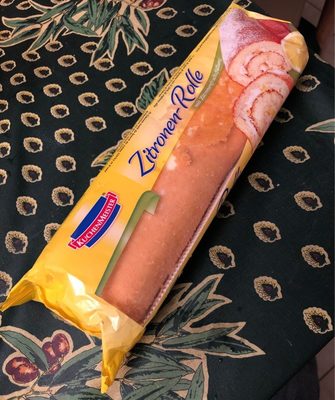
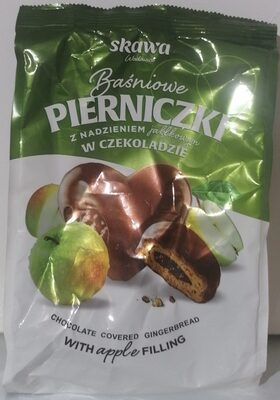
Foods that contain Sodium Carbonates
Compare products →

















Auto-generated content. This description was generated automatically and is pending editorial review. Inaccuracies are possible. Found a mistake? Contact us.