Fructose Powder
What is Fructose Powder?
Fructose is a simple sugar (monosaccharide) found naturally in fruits, honey, and some vegetables. Fructose powder, also known as crystalline fructose, is typically produced commercially from corn starch through a process that converts glucose into fructose.
Is Fructose Powder vegan?
Fructose Powder is not animal-derived. Products that contain it can still include other animal-derived ingredients, so check the full ingredient list.
Is Fructose Powder a major allergen?
Not a major allergen.
What is Fructose Powder used for?
Manufacturers add fructose powder primarily as a sweetener due to its high sweetness intensity.
Is Fructose Powder safe?
Fructose powder is generally recognized as safe (GRAS) by the U.S. Food and Drug Administration (FDA).
Why it's used
Manufacturers add fructose powder primarily as a sweetener due to its high sweetness intensity. It also enhances flavor, improves texture, and contributes to browning in baked goods. It is commonly used in beverages, processed foods, baked goods, and desserts.
Health notes
Fructose powder is generally recognized as safe (GRAS) by the U.S. Food and Drug Administration (FDA). As a type of added sugar, its consumption should align with dietary guidelines. The 2025-2030 Dietary Guidelines for Americans recommend no amount of added sugars, and at most 10 grams of added sugars per meal. While fructose is metabolized differently than glucose, scientific evidence on its specific health effects, independent of overall added sugar intake, is mixed and ongoing. Both JECFA and EFSA have evaluated sugars as part of the human diet, and general recommendations for sugar intake apply.
Allergen info
Not a major allergen.
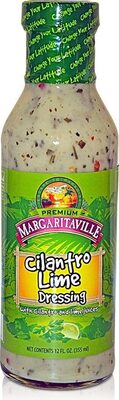
Foods that contain Fructose Powder
Compare products →
Learn more
Auto-generated content. This description was generated automatically and is pending editorial review. Inaccuracies are possible. Found a mistake? Contact us.