Furikake
What is Furikake?
Furikake is a dry Japanese condiment typically sprinkled on rice. It is a mixture of dried fish flakes, sesame seeds, seaweed, sugar, and salt, often with added flavorings like bonito or wasabi. The ingredients are usually dried, ground, and mixed together.
Is Furikake vegan?
No. Furikake is animal-derived, so it is not vegan.
Is Furikake a major allergen?
Furikake may contain sesame and fish, which are among the 9 major allergens.
What is Furikake used for?
Manufacturers add furikake to provide a savory, umami flavor and a textural contrast to foods.
Is Furikake safe?
Furikake is generally considered safe for consumption in the U.S. as it is made from common food ingredients.
Why it's used
Manufacturers add furikake to provide a savory, umami flavor and a textural contrast to foods. It is most commonly used as a topping for rice, but also appears in snacks, salads, and as a seasoning for fish and vegetables. Its primary function is to enhance flavor.
Health notes
Furikake is generally considered safe for consumption in the U.S. as it is made from common food ingredients. The FDA does not specifically regulate furikake as an additive, as it is a food preparation. While specific health studies on furikake are limited, its components like seaweed and sesame seeds offer nutritional benefits. Consumers concerned about sodium intake should be mindful of its salt content.
Allergen info
Furikake may contain sesame and fish, which are among the 9 major allergens. Some varieties may also contain soy or wheat, which are also major allergens. Consumers with allergies should carefully check the ingredient list.
Foods that contain Furikake
Compare products →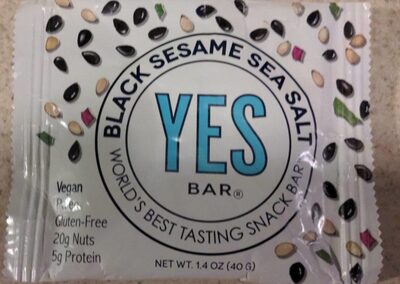 The YES Bar Company
Black Sesame Sea Salt Snack Bar, Black Sesame Sea Salt
550kcal
12.5Protein
42.5Fat
32.5Carbs
Asiana Cuisine Enterprises
Spicy Tuna Poke Bowl, Spicy Tuna
High in sodium — 81% DV per serving
170kcal
7.9Protein
2.0Fat
29.1Carbs
Asiana Cuisine Enterprises
Classic Tuna Poke Bowl
High in sodium — 80% DV per serving
170kcal
6.6Protein
1.5Fat
26.9Carbs
The YES Bar Company
Black Sesame Sea Salt Snack Bar, Black Sesame Sea Salt
550kcal
12.5Protein
42.5Fat
32.5Carbs
Asiana Cuisine Enterprises
Spicy Tuna Poke Bowl, Spicy Tuna
High in sodium — 81% DV per serving
170kcal
7.9Protein
2.0Fat
29.1Carbs
Asiana Cuisine Enterprises
Classic Tuna Poke Bowl
High in sodium — 80% DV per serving
170kcal
6.6Protein
1.5Fat
26.9Carbs
Learn more
Auto-generated content. This description was generated automatically and is pending editorial review. Inaccuracies are possible. Found a mistake? Contact us.