Galacto-oligosaccharides
Auto-generated content. This description was generated automatically and is pending editorial review. Inaccuracies are possible. Found a mistake? Contact us.
What it is
Galacto-oligosaccharides (GOS) are a type of carbohydrate that occur naturally in small amounts in some foods like beans and milk. They are typically produced commercially by the enzymatic conversion of lactose, a sugar found in milk.
Why it's used
GOS are added to foods as a prebiotic fiber, meaning they can help feed beneficial bacteria in the gut. They are often found in infant formulas, dairy products, and health supplements, where they contribute to digestive health.
Health notes
In the U.S., GOS are generally recognized as safe (GRAS) by the FDA for use in foods. They are considered a dietary fiber and may support gut health by promoting the growth of probiotics. International bodies like JECFA have evaluated GOS, but no specific numeric limits are set. Some individuals may experience gas or bloating when consuming large amounts of GOS.
Allergen info
GOS are derived from lactose, which comes from milk. Therefore, they are considered a dairy derivative and are not a major allergen on their own, but individuals with milk allergies should exercise caution.
Products containing Galacto-oligosaccharides
Compare products →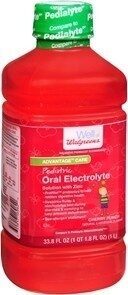 Walgreens Co.
Electrolyte Solution
6kcal
0Protein
0Fat
1.7Carbs
Supervalu, Inc.
Electrolyte Solution
7kcal
0Protein
0Fat
1.7Carbs
Walgreens Co.
Electrolyte Solution
6kcal
0Protein
0Fat
1.7Carbs
Supervalu, Inc.
Electrolyte Solution
7kcal
0Protein
0Fat
1.7Carbs
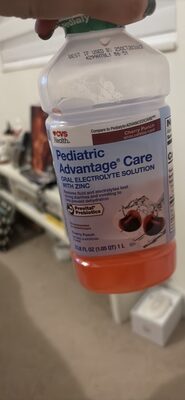 CVS Pharmacy, Inc.
Cherry Punch Pediatric Advantage Care Oral Electrolyte Solution With Zinc, Cherry Punch
7kcal
0Protein
0Fat
1.7Carbs
Perrigo Company
Vanilla Flavor Toddler Next Stage Milk Drink, Vanilla
457kcal
17.1Protein
17.1Fat
57.1Carbs
Perrigo Company
Vanilla Flavor Toddler Next Stage Milk Drink, Vanilla
457kcal
17.1Protein
17.1Fat
57.1Carbs
Perrigo Company
Milk Flavor Toddler Next Stage Milk Drink, Milk
457kcal
17.1Protein
17.1Fat
57.1Carbs
CVS Pharmacy, Inc.
Cherry Punch Pediatric Advantage Care Oral Electrolyte Solution With Zinc, Cherry Punch
7kcal
0Protein
0Fat
1.7Carbs
Perrigo Company
Vanilla Flavor Toddler Next Stage Milk Drink, Vanilla
457kcal
17.1Protein
17.1Fat
57.1Carbs
Perrigo Company
Vanilla Flavor Toddler Next Stage Milk Drink, Vanilla
457kcal
17.1Protein
17.1Fat
57.1Carbs
Perrigo Company
Milk Flavor Toddler Next Stage Milk Drink, Milk
457kcal
17.1Protein
17.1Fat
57.1Carbs