Galanga
What is Galanga?
Galanga, also known as galangal, is a rhizome, or underground stem, related to ginger. It is native to Southeast Asia and is commonly used in Thai, Malaysian, and Indonesian cuisine. The rhizome is typically harvested, cleaned, and then used fresh, dried, or ground into a powder.
Is Galanga vegan?
Galanga is not animal-derived. Products that contain it can still include other animal-derived ingredients, so check the full ingredient list.
Is Galanga gluten-free?
It does not contain gluten.
Is Galanga a major allergen?
Galanga is not one of the nine major allergens recognized by the FDA.
What is Galanga used for?
Galanga is primarily used as a flavoring agent, imparting a pungent, peppery, and slightly citrusy taste to foods.
Is Galanga safe?
In the US, galanga is generally recognized as safe (GRAS) for use as a food flavoring.
Why it's used
Galanga is primarily used as a flavoring agent, imparting a pungent, peppery, and slightly citrusy taste to foods. It is a key ingredient in many Southeast Asian dishes, including curries, soups, and stir-fries. Manufacturers use it to add authentic ethnic flavors to sauces, dressings, and prepared meals.
Health notes
In the US, galanga is generally recognized as safe (GRAS) for use as a food flavoring. Regulatory bodies like the Joint FAO/WHO Expert Committee on Food Additives (JECFA) have evaluated galanga and related compounds. While generally considered safe in amounts typically used in food, some studies suggest potential interactions with certain medications, though more research is needed. Evidence regarding specific health benefits or risks at typical consumption levels is still developing.
Allergen info
Galanga is not one of the nine major allergens recognized by the FDA. It does not contain gluten.
Foods that contain Galanga
Compare products →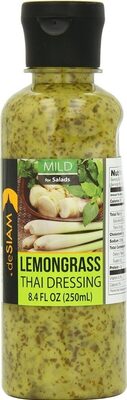
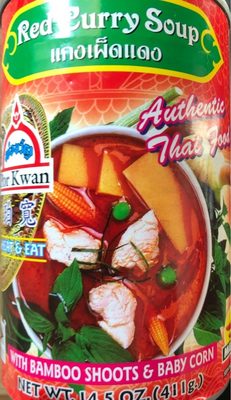

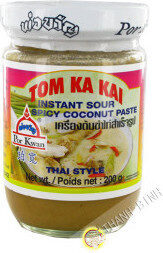
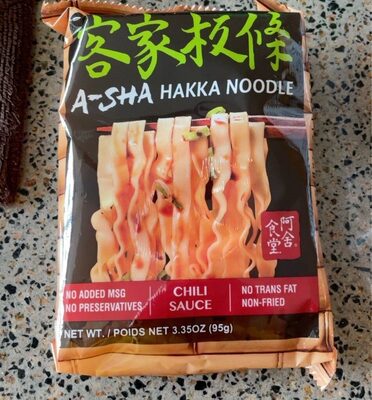

Learn more
Auto-generated content. This description was generated automatically and is pending editorial review. Inaccuracies are possible. Found a mistake? Contact us.