Glucomannan
What is Glucomannan?
Glucomannan is a soluble dietary fiber derived from the konjac plant, native to Asia. It is a polysaccharide, meaning it's a long chain of sugar molecules. The fiber is typically extracted from the konjac root and processed into a powder or gel.
Is Glucomannan vegan?
Glucomannan is not animal-derived. Products that contain it can still include other animal-derived ingredients, so check the full ingredient list.
Is Glucomannan gluten-free?
Glucomannan is not derived from any of the 9 major FDA allergens and does not contain gluten.
What is Glucomannan used for?
Glucomannan is primarily used as a thickening and gelling agent in foods, especially in low-calorie products.
Is Glucomannan safe?
Glucomannan is generally recognized as safe (GRAS) by the FDA for use as a food ingredient.
Why it's used
Glucomannan is primarily used as a thickening and gelling agent in foods, especially in low-calorie products. It absorbs a large amount of water, creating a viscous texture. It's commonly found in "shirataki" noodles, dietary supplements, and as a vegan alternative to gelatin.
Health notes
Glucomannan is generally recognized as safe (GRAS) by the FDA for use as a food ingredient. It is known for its ability to promote feelings of fullness, which may aid in weight management. The Joint FAO/WHO Expert Committee on Food Additives (JECFA) has evaluated glucomannan and established an acceptable daily intake. Some studies suggest it may help lower cholesterol and blood sugar levels, though evidence is mixed.
Allergen info
Glucomannan is not derived from any of the 9 major FDA allergens and does not contain gluten.
Foods that contain Glucomannan
Compare products →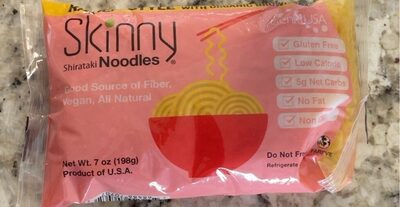 Super Frec U.S.A. Inc.
Ramen-Style With Organic Brown Rice Shirataki Noodles, Ramen-Style
20kcal
0Protein
0Fat
4.5Carbs
Super Frec U.S.A. Inc.
Ramen-Style With Organic Brown Rice Shirataki Noodles, Ramen-Style
20kcal
0Protein
0Fat
4.5Carbs
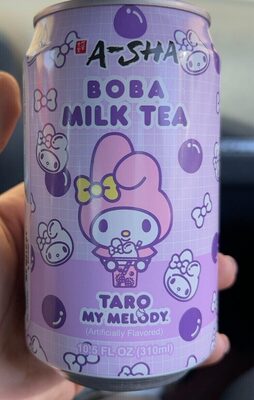 L&B Apparel
Taro Boba Milk Tea, Taro
High in added sugars — 48% DV per serving
52kcal
0.7Protein
1.0Fat
10.3Carbs
Super Frec U.S.A. Inc.
Fettuccine-Style Shirataki Noodles, Fettuccine-Style
9kcal
0Protein
0Fat
2.6Carbs
L&B Apparel
Brown Sugar Boba Milk Tea , Brown Sugar
High in added sugars — 48% DV per serving
52kcal
0.7Protein
1.0Fat
10.3Carbs
L&B Apparel
Taro Boba Milk Tea, Taro
High in added sugars — 48% DV per serving
52kcal
0.7Protein
1.0Fat
10.3Carbs
Super Frec U.S.A. Inc.
Fettuccine-Style Shirataki Noodles, Fettuccine-Style
9kcal
0Protein
0Fat
2.6Carbs
L&B Apparel
Brown Sugar Boba Milk Tea , Brown Sugar
High in added sugars — 48% DV per serving
52kcal
0.7Protein
1.0Fat
10.3Carbs
Learn more
Auto-generated content. This description was generated automatically and is pending editorial review. Inaccuracies are possible. Found a mistake? Contact us.