Granola: Whole Grain Oats
What is Granola: Whole Grain Oats?
Whole grain oats are the whole, unprocessed kernels of the oat plant (Avena sativa). They are a type of cereal grain that is a staple food in many parts of the world. Oats are typically grown in temperate climates and are harvested and then processed to remove the inedible hull.
Is Granola: Whole Grain Oats vegan?
Granola: Whole Grain Oats is not animal-derived. Products that contain it can still include other animal-derived ingredients, so check the full ingredient list.
Is Granola: Whole Grain Oats gluten-free?
However, they can be contaminated with gluten (wheat, barley, rye) during growing or processing, so certified gluten-free oats are available for those with celiac disease or gluten sensitivity.
Is Granola: Whole Grain Oats a major allergen?
Oats themselves are not one of the nine major allergens.
What is Granola: Whole Grain Oats used for?
Whole grain oats are commonly used as a breakfast food, often cooked into oatmeal or used as a base for granola.
Is Granola: Whole Grain Oats safe?
Whole grain oats are recognized by the FDA as a source of soluble fiber, which may help reduce the risk of heart disease when consumed as part of a diet low in saturated fat and cholesterol.
Why it's used
Whole grain oats are commonly used as a breakfast food, often cooked into oatmeal or used as a base for granola. They are also a popular ingredient in baked goods like cookies, muffins, and breads, adding texture and a nutty flavor. Their fiber content makes them a functional ingredient in many snack and energy bars.
Health notes
Whole grain oats are recognized by the FDA as a source of soluble fiber, which may help reduce the risk of heart disease when consumed as part of a diet low in saturated fat and cholesterol. They are considered a whole grain and are a good source of various nutrients. The World Health Organization (WHO) and the European Food Safety Authority (EFSA) have evaluated oats and their components, recognizing their nutritional value. Evidence generally supports the health benefits of whole grains, including oats, for overall dietary patterns.
Allergen info
Oats themselves are not one of the nine major allergens. However, they can be contaminated with gluten (wheat, barley, rye) during growing or processing, so certified gluten-free oats are available for those with celiac disease or gluten sensitivity.
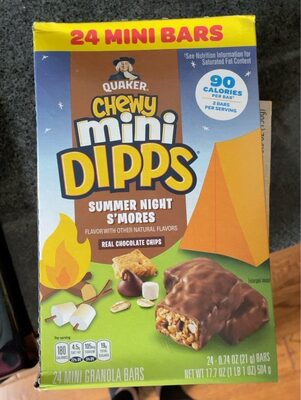
Foods that contain Granola: Whole Grain Oats
Compare products →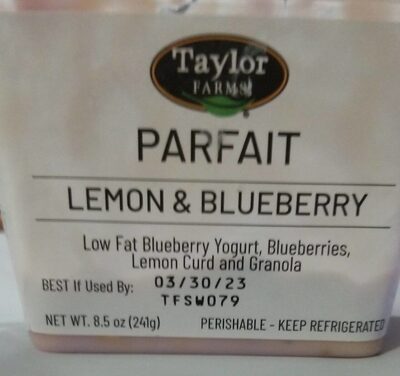

Learn more
Auto-generated content. This description was generated automatically and is pending editorial review. Inaccuracies are possible. Found a mistake? Contact us.