Ground Whole Grain Corn: Treated With Lime
What is Ground Whole Grain Corn: Treated With Lime?
Ground whole grain corn that has been treated with lime (calcium hydroxide). This process, called nixtamalization, is traditional and helps make the corn more digestible and nutritious. It is a key ingredient in many Latin American foods.
Is Ground Whole Grain Corn: Treated With Lime vegan?
Ground Whole Grain Corn: Treated With Lime is not animal-derived. Products that contain it can still include other animal-derived ingredients, so check the full ingredient list.
Is Ground Whole Grain Corn: Treated With Lime gluten-free?
It does not contain gluten.
Is Ground Whole Grain Corn: Treated With Lime a major allergen?
Corn is not one of the 9 major allergens.
What is Ground Whole Grain Corn: Treated With Lime used for?
Manufacturers use nixtamalized corn to make tortillas, tamales, and other corn-based products.
Is Ground Whole Grain Corn: Treated With Lime safe?
Ground whole grain corn treated with lime is generally recognized as safe (GRAS) by the FDA.
Why it's used
Manufacturers use nixtamalized corn to make tortillas, tamales, and other corn-based products. The lime treatment improves the texture and flavor of the corn, making it ideal for these applications. It is commonly found in Mexican and other Latin American cuisine.
Health notes
Ground whole grain corn treated with lime is generally recognized as safe (GRAS) by the FDA. Nixtamalization increases the availability of niacin (a B vitamin) and can reduce mycotoxins in corn. The World Health Organization (WHO) has not specifically evaluated this ingredient.
Allergen info
Corn is not one of the 9 major allergens. It does not contain gluten.
Foods that contain Ground Whole Grain Corn: Treated With Lime
Compare products →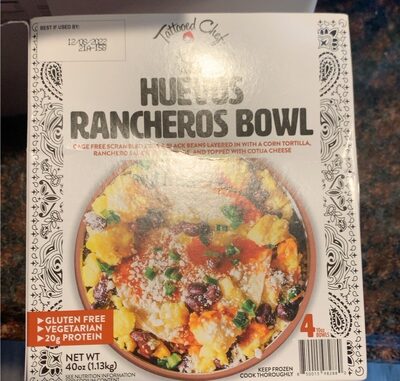 Ittella International, Inc.
Huevos Rancheros Cage Free Scrambled Eggs & Black Beans Layered In With A Corn Tortilla, Ranchero Sauce, Salsa Verde, And Topped With Cotija Cheese Bowl, Huevos Rancheros
High in sodium — 34% DV per serving
High in cholesterol — 103% DV per serving
109kcal
7.0Protein
4.6Fat
10.2Carbs
Ittella International, Inc.
Huevos Rancheros Cage Free Scrambled Eggs & Black Beans Layered In With A Corn Tortilla, Ranchero Sauce, Salsa Verde, And Topped With Cotija Cheese Bowl, Huevos Rancheros
High in sodium — 34% DV per serving
High in cholesterol — 103% DV per serving
109kcal
7.0Protein
4.6Fat
10.2Carbs
 Ittella International, Inc.
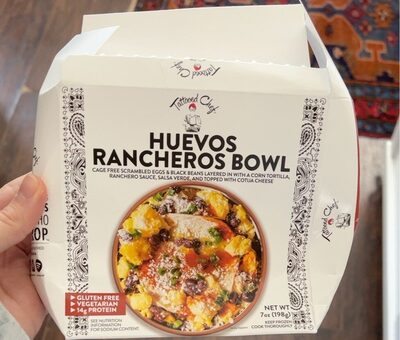
Tattooed Chef Huevos Rancheros Bowl, 7 Oz
High in sodium — 24% DV per serving
High in cholesterol — 72% DV per serving
106kcal
7.1Protein
4.5Fat
10.1Carbs
Stonegate Foods, Inc.
Shrimp Taco Bowl With Chili Lime Aioli & Cotija Cheese, Chili Lime Aioli & Cotija Cheese
High in sodium — 25% DV per serving
High in saturated fat — 25% DV per serving
High in cholesterol — 39% DV per serving
110kcal
7.8Protein
3.2Fat
12.4Carbs
Ittella International, Inc.
Tattooed Chef Huevos Rancheros Bowl, 7 Oz
High in sodium — 24% DV per serving
High in cholesterol — 72% DV per serving
106kcal
7.1Protein
4.5Fat
10.1Carbs
Stonegate Foods, Inc.
Shrimp Taco Bowl With Chili Lime Aioli & Cotija Cheese, Chili Lime Aioli & Cotija Cheese
High in sodium — 25% DV per serving
High in saturated fat — 25% DV per serving
High in cholesterol — 39% DV per serving
110kcal
7.8Protein
3.2Fat
12.4Carbs
Learn more
Auto-generated content. This description was generated automatically and is pending editorial review. Inaccuracies are possible. Found a mistake? Contact us.