Guava Pulp
What is Guava Pulp?
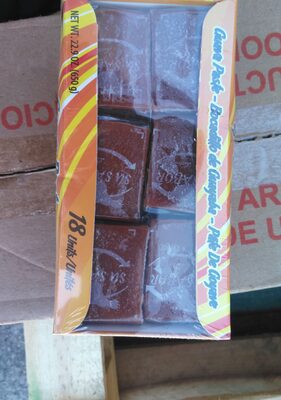
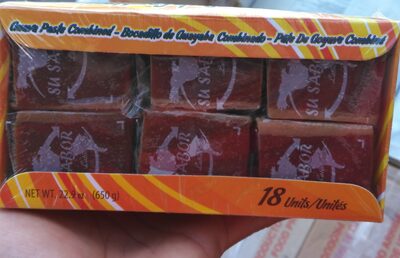
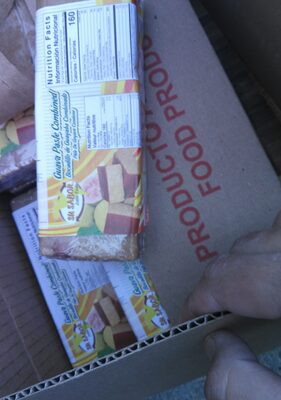
Guava pulp is made from the edible, fleshy part of the guava fruit, which is native to tropical regions of the Americas. The pulp is typically created by processing ripe guavas, often by pureeing or mashing them, and may be strained to remove seeds and skin.
Is Guava Pulp vegan?
Guava Pulp is not animal-derived. Products that contain it can still include other animal-derived ingredients, so check the full ingredient list.
Is Guava Pulp gluten-free?
It does not contain gluten.
Is Guava Pulp a major allergen?
Guava pulp is not derived from any of the 9 FDA major allergens.
What is Guava Pulp used for?
Guava pulp is used to impart a distinct tropical flavor and aroma to a wide range of food products.
Is Guava Pulp safe?
Guava pulp is generally recognized as safe (GRAS) by the FDA when used as a food ingredient.
Why it's used
Guava pulp is used to impart a distinct tropical flavor and aroma to a wide range of food products. It adds natural sweetness and a smooth texture, making it a popular ingredient in beverages, jams, jellies, baked goods, and desserts.
Health notes
Guava pulp is generally recognized as safe (GRAS) by the FDA when used as a food ingredient. It is a source of vitamins, minerals, and fiber. International bodies like EFSA have evaluated various fruit-derived ingredients, and JECFA has established acceptable daily intakes for certain food additives. No specific health concerns are associated with the consumption of guava pulp at typical dietary levels.
Allergen info
Guava pulp is not derived from any of the 9 FDA major allergens. It does not contain gluten.
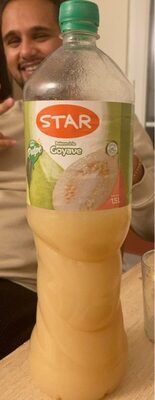
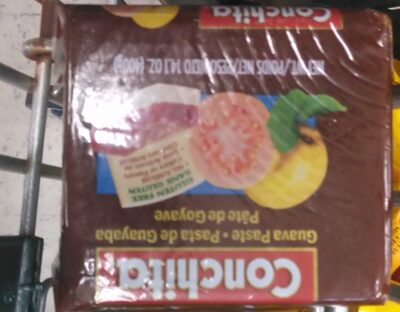
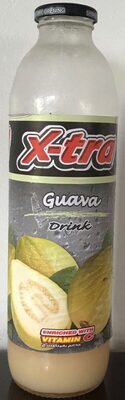
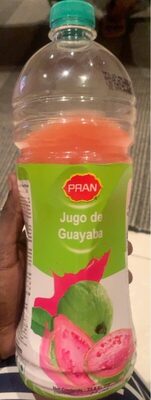
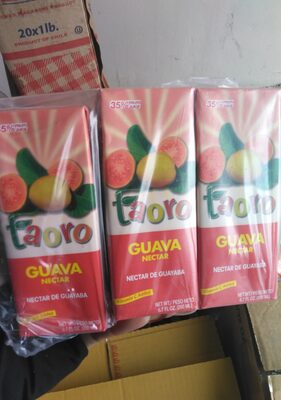
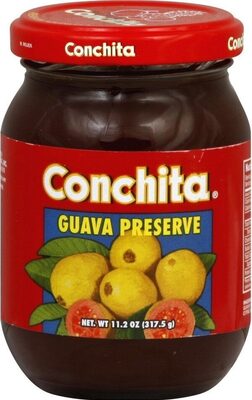
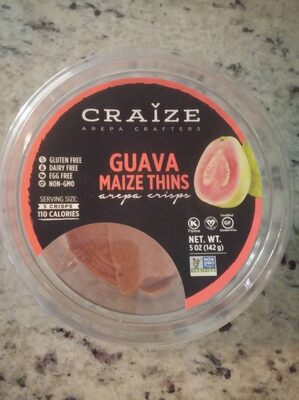
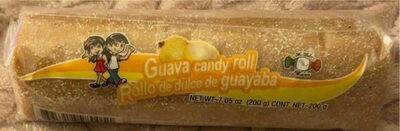
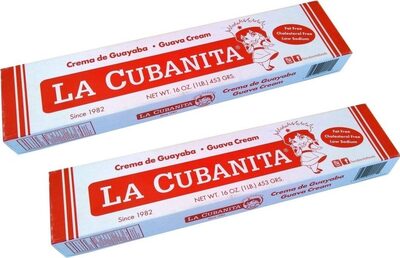
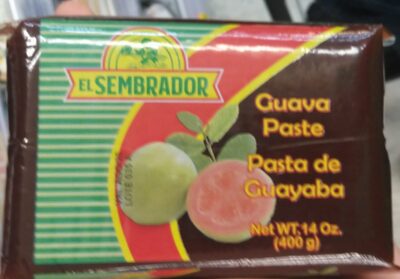
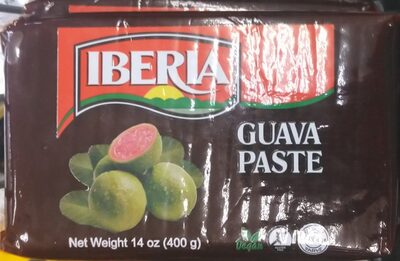
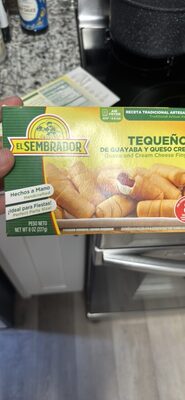
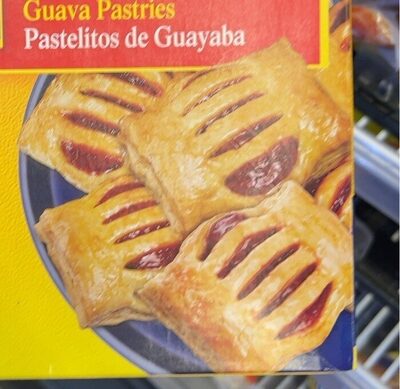
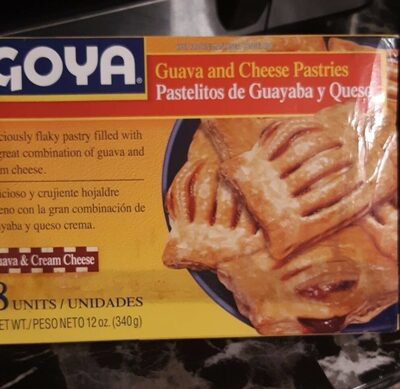
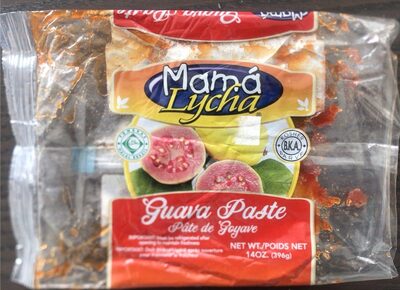
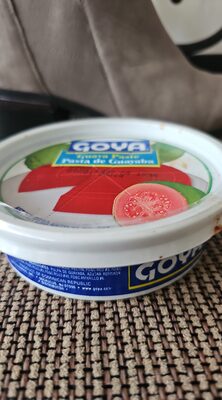
Foods that contain Guava Pulp
Compare products →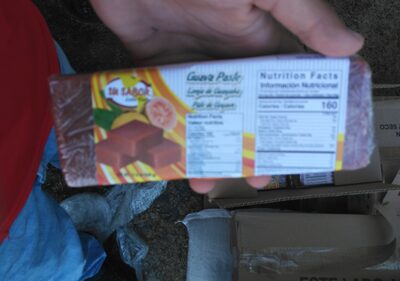
Auto-generated content. This description was generated automatically and is pending editorial review. Inaccuracies are possible. Found a mistake? Contact us.