Gum Arabic Confectioner's Glaze
What is Gum Arabic Confectioner's Glaze?
Gum arabic, also known as acacia gum, is a natural gum made from the hardened sap of the acacia tree. It is harvested from wild-grown trees in the Sahel region of Africa. The sap is collected, dried, and then ground into a powder.
Is Gum Arabic Confectioner's Glaze vegan?
Gum Arabic Confectioner's Glaze is not animal-derived. Products that contain it can still include other animal-derived ingredients, so check the full ingredient list.
Is Gum Arabic Confectioner's Glaze gluten-free?
It does not contain gluten.
Is Gum Arabic Confectioner's Glaze a major allergen?
Gum arabic is not derived from any of the 9 major allergens.
What is Gum Arabic Confectioner's Glaze used for?
Manufacturers add gum arabic as a stabilizer, emulsifier, and thickening agent in foods.
Is Gum Arabic Confectioner's Glaze safe?
Gum arabic is generally recognized as safe (GRAS) by the FDA for use in food.
Why it's used
Manufacturers add gum arabic as a stabilizer, emulsifier, and thickening agent in foods. It helps to bind ingredients together and improve texture. It is commonly found in confectionery, baked goods, and beverages.
Health notes
Gum arabic is generally recognized as safe (GRAS) by the FDA for use in food. It is a source of soluble dietary fiber, which may aid digestion. JECFA has evaluated gum arabic and established an acceptable daily intake. Some individuals may experience digestive discomfort if they consume very large amounts.
Allergen info
Gum arabic is not derived from any of the 9 major allergens. It does not contain gluten.
Foods that contain Gum Arabic Confectioner's Glaze
Compare products →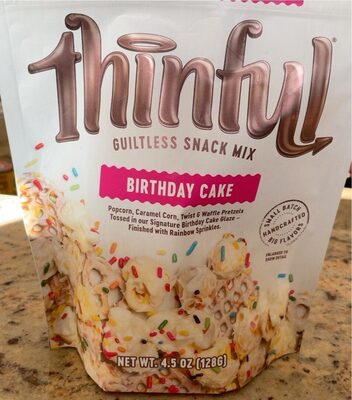 Piedmont Candy Company Inc.
Birthday Cake Popcorn, Caramel Corn, Twist & Waffle Pretzels Tossed In Our Signature Birthday Cake Glaze- Finished With Rainbow Sprinkles Guiltless Snack Mix, Birthday Cake
429kcal
7.1Protein
21.4Fat
64.3Carbs
Shakespeare Flowers
It's Your Birthday Double Layer Of Vanilla Bar Layer Of Graham Crackers, Caramel, With Glaze And Sprinkles Total Cluster Fudge, It's Your Birthday
267kcal
2.2Protein
13.3Fat
37.8Carbs
Target Stores
Mini Brownies With Frosting, Frosting
460kcal
2Protein
24Fat
58Carbs
Piedmont Candy Company Inc.
Birthday Cake Popcorn, Caramel Corn, Twist & Waffle Pretzels Tossed In Our Signature Birthday Cake Glaze- Finished With Rainbow Sprinkles Guiltless Snack Mix, Birthday Cake
429kcal
7.1Protein
21.4Fat
64.3Carbs
Shakespeare Flowers
It's Your Birthday Double Layer Of Vanilla Bar Layer Of Graham Crackers, Caramel, With Glaze And Sprinkles Total Cluster Fudge, It's Your Birthday
267kcal
2.2Protein
13.3Fat
37.8Carbs
Target Stores
Mini Brownies With Frosting, Frosting
460kcal
2Protein
24Fat
58Carbs
Learn more
Auto-generated content. This description was generated automatically and is pending editorial review. Inaccuracies are possible. Found a mistake? Contact us.