Habanero Chiles
Auto-generated content. This description was generated automatically and is pending editorial review. Inaccuracies are possible. Found a mistake? Contact us.
What it is
Habanero chiles are a variety of chili pepper known for their intense heat and fruity flavor. They are native to the Amazon region and are now cultivated in various parts of the world, including Mexico and Central America. The peppers are typically harvested when ripe and can be used fresh, dried, or powdered.
Why it's used
Habanero chiles are primarily used to add significant heat and a distinct fruity flavor to foods. They are a popular ingredient in hot sauces, salsas, marinades, and rubs. Manufacturers also use them in snacks, condiments, and even some desserts to create a spicy profile.
Health notes
Habanero chiles are generally recognized as safe (GRAS) by the FDA when used as a food ingredient. The capsaicinoids, like capsaicin, responsible for their heat, are being studied for various potential health effects. Some research suggests capsaicin may have anti-inflammatory properties and could play a role in metabolism, but more studies are needed. JECFA has evaluated capsaicinoids, and EFSA has also reviewed their safety. Evidence on health effects at typical dietary intake is mixed and requires further investigation.
Allergen info
Habanero chiles are not one of the nine major allergens recognized by the FDA. They do not contain gluten.
Products containing Habanero Chiles
Compare products →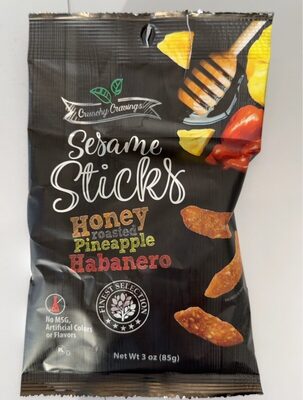 Nosher's Choice
Honey Roasted Pineapple Habanero Sesame Sticks, Honey Roasted Pineapple Habanero
571kcal
7.1Protein
35.7Fat
53.6Carbs
Target Stores
Pineapple Lime Crunch Red Cabbage, Savoy Cabbage, Broccoli Stalk, Kale, Carrots, Pineapple Habanero Honey Roasted Sesame Sticks & Quinoa Chopped Salad Kit With Pineapple Lime Vinaigrette Dressing, Pineapple Lime Crunch
130kcal
3Protein
5Fat
19Carbs
BBQ Sauce, Mango, Habanero
114kcal
0Protein
0Fat
28.6Carbs
Nosher's Choice
Honey Roasted Pineapple Habanero Sesame Sticks, Honey Roasted Pineapple Habanero
571kcal
7.1Protein
35.7Fat
53.6Carbs
Target Stores
Pineapple Lime Crunch Red Cabbage, Savoy Cabbage, Broccoli Stalk, Kale, Carrots, Pineapple Habanero Honey Roasted Sesame Sticks & Quinoa Chopped Salad Kit With Pineapple Lime Vinaigrette Dressing, Pineapple Lime Crunch
130kcal
3Protein
5Fat
19Carbs
BBQ Sauce, Mango, Habanero
114kcal
0Protein
0Fat
28.6Carbs