Halved Cherries
What is Halved Cherries?
Halved cherries are whole cherries that have been cut in half. Cherries are small, round stone fruits that grow on trees. They are typically pitted and may be preserved in syrup or juice for later use.
Is Halved Cherries vegan?
Halved Cherries is not animal-derived. Products that contain it can still include other animal-derived ingredients, so check the full ingredient list.
Is Halved Cherries gluten-free?
They do not contain gluten.
Is Halved Cherries a major allergen?
Cherries are not one of the 9 FDA major allergens.
What is Halved Cherries used for?
Halved cherries are often used as a fruit component in canned fruit mixtures, such as fruit cocktail.
Is Halved Cherries safe?
Halved cherries are a natural food product and are generally considered safe for consumption.
Why it's used
Halved cherries are often used as a fruit component in canned fruit mixtures, such as fruit cocktail. They add sweetness, color, and a distinct cherry flavor to these products. They can also be found in desserts and as a garnish.
Health notes
Halved cherries are a natural food product and are generally considered safe for consumption. They contain natural sugars, fiber, and antioxidants. Regulatory bodies like the FDA do not typically set specific limits for whole fruits consumed as part of a balanced diet. While cherries are a healthy food, excessive consumption of canned fruits in syrup can lead to higher sugar intake.
Allergen info
Cherries are not one of the 9 FDA major allergens. They do not contain gluten.
Foods that contain Halved Cherries
Compare products →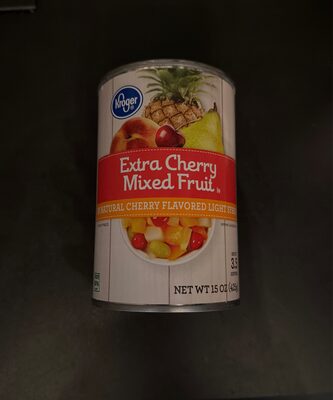
Auto-generated content. This description was generated automatically and is pending editorial review. Inaccuracies are possible. Found a mistake? Contact us.