Hashbrowns
What is Hashbrowns?
Hash browns are shredded or diced potatoes that are pan-fried or deep-fried until crisp. They are a common breakfast side dish made from potatoes, often with added oil, salt, and sometimes seasonings.
Is Hashbrowns vegan?
Hashbrowns is not animal-derived. Products that contain it can still include other animal-derived ingredients, so check the full ingredient list.
Is Hashbrowns gluten-free?
Hash browns are typically gluten-free, but cross-contamination can occur during processing or preparation.
Is Hashbrowns a major allergen?
Potatoes are not one of the nine major allergens.
What is Hashbrowns used for?
Hash browns are primarily used as a breakfast side dish.
Is Hashbrowns safe?
Potatoes are a source of carbohydrates, potassium, and vitamin C.
Why it's used
Hash browns are primarily used as a breakfast side dish. They provide a starchy, savory component to meals like eggs, bacon, and pancakes. Manufacturers may add them to frozen meals, breakfast sandwiches, and casseroles for texture and flavor.
Health notes
Potatoes are a source of carbohydrates, potassium, and vitamin C. Hash browns are typically fried, which can increase their fat and calorie content, especially if prepared with a lot of oil. The FDA considers potatoes to be GRAS (Generally Recognized As Safe). JECFA has evaluated potatoes and found no safety concerns. High intake of fried foods may be associated with certain health risks, but this is generally related to overall dietary patterns rather than potatoes themselves.
Allergen info
Potatoes are not one of the nine major allergens. Hash browns are typically gluten-free, but cross-contamination can occur during processing or preparation.
Foods that contain Hashbrowns
Compare products →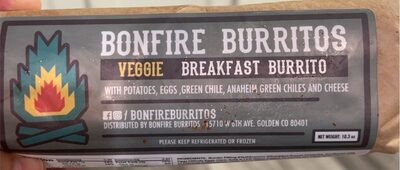 Bonfire Burritos LLC
Veggie Breakfast With Potatoes, Eggs, Green Chile, Anaheim Green Chiles And Cheese Burrito, Veggie Breakfast
High in cholesterol — 22% DV per serving
164kcal
4.8Protein
7.5Fat
19.2Carbs
Idahoan Foods, LLC
Premium Cheesy Hashbrown Potatoes, Cheesy Hashbrown
High in sodium — 23% DV per serving
419kcal
6.5Protein
16.1Fat
67.7Carbs
Canteen
Cheesy Hash Brown Potatoes, Cheesy Hash Brown
High in sodium — 35% DV per serving
High in saturated fat — 65% DV per serving
High in cholesterol — 22% DV per serving
282kcal
7.0Protein
10.8Fat
39.4Carbs
Bonfire Burritos LLC
Veggie Breakfast With Potatoes, Eggs, Green Chile, Anaheim Green Chiles And Cheese Burrito, Veggie Breakfast
High in cholesterol — 22% DV per serving
164kcal
4.8Protein
7.5Fat
19.2Carbs
Idahoan Foods, LLC
Premium Cheesy Hashbrown Potatoes, Cheesy Hashbrown
High in sodium — 23% DV per serving
419kcal
6.5Protein
16.1Fat
67.7Carbs
Canteen
Cheesy Hash Brown Potatoes, Cheesy Hash Brown
High in sodium — 35% DV per serving
High in saturated fat — 65% DV per serving
High in cholesterol — 22% DV per serving
282kcal
7.0Protein
10.8Fat
39.4Carbs
Learn more
Auto-generated content. This description was generated automatically and is pending editorial review. Inaccuracies are possible. Found a mistake? Contact us.