Heat Treated Flour
What is Heat Treated Flour?
Heat-treated flour is wheat flour that has been heated to a specific temperature. This process alters the flour's properties, often reducing its enzyme activity and making it less likely to form gluten. It is typically made from standard wheat flour.
Is Heat Treated Flour vegan?
Heat Treated Flour is not animal-derived. Products that contain it can still include other animal-derived ingredients, so check the full ingredient list.
Is Heat Treated Flour gluten-free?
It also contains gluten.
Is Heat Treated Flour a major allergen?
Heat-treated flour is derived from wheat, which is one of the 9 major allergens recognized by the FDA.
What is Heat Treated Flour used for?
Manufacturers use heat-treated flour to improve the texture and stability of baked goods and other food products.
Is Heat Treated Flour safe?
Heat-treated flour is generally considered safe for consumption.
Why it's used
Manufacturers use heat-treated flour to improve the texture and stability of baked goods and other food products. It can help prevent dough from becoming too sticky or elastic, and it's often found in items like cookie dough, baked goods, and some processed snacks. Its altered properties can also contribute to a desirable mouthfeel.
Health notes
Heat-treated flour is generally considered safe for consumption. The FDA recognizes it as a food ingredient. While specific health impacts are not widely studied, it is essentially a modified form of a common grain. Regulatory bodies have not raised specific concerns about its use in typical food products.
Allergen info
Heat-treated flour is derived from wheat, which is one of the 9 major allergens recognized by the FDA. It also contains gluten.
Foods that contain Heat Treated Flour
Compare products →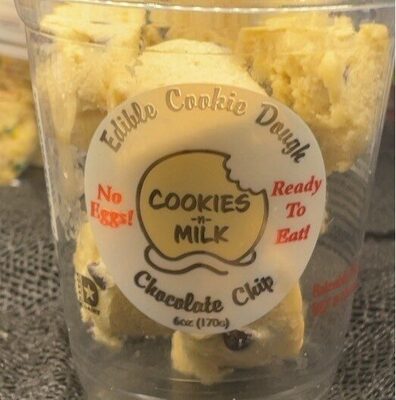 Cookies 'N' Milk
Peanut Butter Cup, Peanut Butter
High in saturated fat — 30% DV per serving
High in added sugars — 52% DV per serving
435kcal
7.1Protein
20Fat
60Carbs
Cookies 'N' Milk
Peanut Butter Cup, Peanut Butter
High in saturated fat — 30% DV per serving
High in added sugars — 52% DV per serving
435kcal
7.1Protein
20Fat
60Carbs
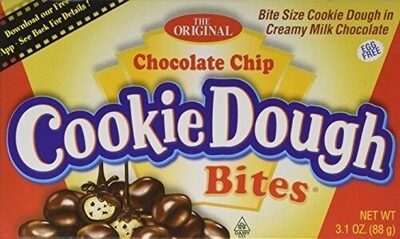 Taste of Nature, Inc.
The Original Chocolate Chip Cookie Dough In Creamy Milk Chocolate, Original
High in saturated fat — 20% DV per serving
467kcal
3.3Protein
20Fat
70Carbs
7-Eleven, Inc.
Edible Cookie Dough Chocolate Chip
High in saturated fat — 35% DV per serving
High in added sugars — 60% DV per serving
416kcal
4.7Protein
16.5Fat
63.5Carbs
SureGreen Mulch, LLC
Chocolate Chip Cookie Dough Artisan Gelato, Chocolate Chip Cookie Dough
High in saturated fat — 41% DV per serving
High in added sugars — 46% DV per serving
208kcal
—Protein
10.2Fat
27.3Carbs
Taste of Nature, Inc.
The Original Chocolate Chip Cookie Dough In Creamy Milk Chocolate, Original
High in saturated fat — 20% DV per serving
467kcal
3.3Protein
20Fat
70Carbs
7-Eleven, Inc.
Edible Cookie Dough Chocolate Chip
High in saturated fat — 35% DV per serving
High in added sugars — 60% DV per serving
416kcal
4.7Protein
16.5Fat
63.5Carbs
SureGreen Mulch, LLC
Chocolate Chip Cookie Dough Artisan Gelato, Chocolate Chip Cookie Dough
High in saturated fat — 41% DV per serving
High in added sugars — 46% DV per serving
208kcal
—Protein
10.2Fat
27.3Carbs
Learn more
Auto-generated content. This description was generated automatically and is pending editorial review. Inaccuracies are possible. Found a mistake? Contact us.