Herbs And Spices
Auto-generated content. This description was generated automatically and is pending editorial review. Inaccuracies are possible. Found a mistake? Contact us.
What it is
Herbs and spices are dried parts of plants, such as leaves, seeds, bark, or roots. They are used to add flavor and aroma to food. Examples include basil, oregano, cinnamon, and cumin.
Why it's used
Manufacturers add herbs and spices to enhance the taste and smell of a wide variety of foods. They are commonly found in seasoning mixes, sauces, marinades, and processed meats. Their use allows for a broad range of flavor profiles in packaged goods.
Health notes
Herbs and spices are generally recognized as safe (GRAS) by the FDA when used for flavoring. They are a source of various bioactive compounds that may have antioxidant and anti-inflammatory properties. International bodies like JECFA have evaluated many individual herbs and spices. While generally considered safe in typical food amounts, some individuals may experience digestive upset from certain spices.
Allergen info
Herbs and spices are not among the 9 FDA major allergens. Gluten is not typically present unless cross-contamination occurs during processing or if the spice is blended with a gluten-containing ingredient.
Products containing Herbs And Spices
Compare products →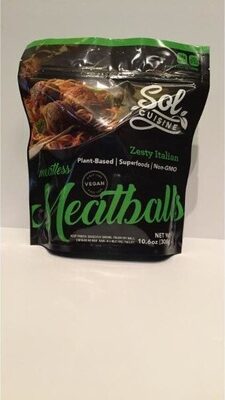 SOL CUISINE
Zesty Italian Meatless Meatballs, Zesty Italian
156kcal
15.6Protein
7.8Fat
5.6Carbs
SOL CUISINE
Zesty Italian Meatless Meatballs, Zesty Italian
156kcal
15.6Protein
7.8Fat
5.6Carbs
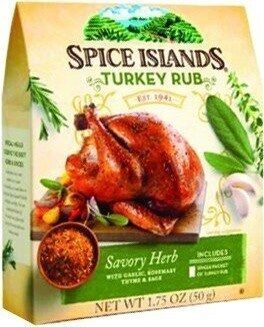 ACH Food Companies, Inc.
Turkey Rub, Savory Herb
200kcal
0Protein
0Fat
80Carbs
Frontera Foods, Inc.
All Natural Chipotle Hot Sauce
100kcal
0Protein
0Fat
20Carbs
ACH Food Companies, Inc.
Turkey Rub, Savory Herb
200kcal
0Protein
0Fat
80Carbs
Frontera Foods, Inc.
All Natural Chipotle Hot Sauce
100kcal
0Protein
0Fat
20Carbs