Herrings
What is Herrings?
Herrings are small, oily fish found in the Atlantic and Pacific oceans. They are typically caught and then preserved through canning, smoking, or salting. Herrings are a good source of protein and omega-3 fatty acids.
Is Herrings vegan?
No. Herrings is animal-derived, so it is not vegan.
Is Herrings gluten-free?
It does not contain gluten.
Is Herrings a major allergen?
Herring is a fish, which is one of the 9 major allergens recognized by the FDA.
What is Herrings used for?
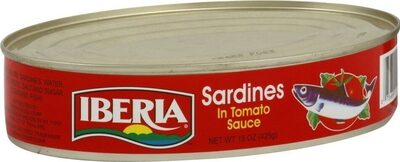
Herrings are often canned or pickled for consumption, appearing in products like sardines or kippered snacks.
Is Herrings safe?
Herrings are considered a nutritious food, rich in protein, vitamin D, and omega-3 fatty acids, which are linked to heart health.
Why it's used
Herrings are often canned or pickled for consumption, appearing in products like sardines or kippered snacks. They can also be processed into fish sauces or pastes, adding a savory, umami flavor to dishes. Manufacturers use them as a primary ingredient in seafood products and some ethnic sauces.
Health notes
Herrings are considered a nutritious food, rich in protein, vitamin D, and omega-3 fatty acids, which are linked to heart health. The FDA has not set specific upper intake levels for herring consumption. Regulatory bodies like the WHO have recognized the health benefits of fish consumption, particularly oily fish, as part of a balanced diet. Concerns about mercury levels in fish are generally lower for smaller fish like herring compared to larger predatory fish.
Allergen info
Herring is a fish, which is one of the 9 major allergens recognized by the FDA. It does not contain gluten.
Foods that contain Herrings
Compare products →

Auto-generated content. This description was generated automatically and is pending editorial review. Inaccuracies are possible. Found a mistake? Contact us.