Hoisin Sauce Sugar
What is Hoisin Sauce Sugar?
Hoisin sauce is a thick, flavorful condiment commonly used in Chinese cuisine, made from ingredients like fermented soybean paste, garlic, vinegar, chili, and sugar. "Hoisin Sauce Sugar" refers to the sugar component within this sauce. Sugar itself is a carbohydrate, typically sucrose, derived from plants like sugarcane or sugar beets.
Is Hoisin Sauce Sugar vegan?
Hoisin Sauce Sugar is not animal-derived. Products that contain it can still include other animal-derived ingredients, so check the full ingredient list.
Is Hoisin Sauce Sugar a major allergen?
Not a major allergen.
What is Hoisin Sauce Sugar used for?
Sugar is added to hoisin sauce primarily as a sweetener to balance flavors and enhance the overall taste profile.
Is Hoisin Sauce Sugar safe?
Sugar (sucrose) is generally recognized as safe (GRAS) by the FDA.
Why it's used
Sugar is added to hoisin sauce primarily as a sweetener to balance flavors and enhance the overall taste profile. It also contributes to the sauce's thick texture and glossy appearance. In other foods, sugar is widely used as a sweetener, flavor enhancer, and for texture and preservation.
Health notes
Sugar (sucrose) is generally recognized as safe (GRAS) by the FDA. The 2025-2030 Dietary Guidelines for Americans recommend no amount of added sugars, and at most 10 grams of added sugars per meal. The World Health Organization (WHO) advises limiting free sugars to less than 10% of total energy intake. Excessive consumption of added sugars is associated with various health concerns.
Allergen info
Not a major allergen.
Foods that contain Hoisin Sauce Sugar
Compare products →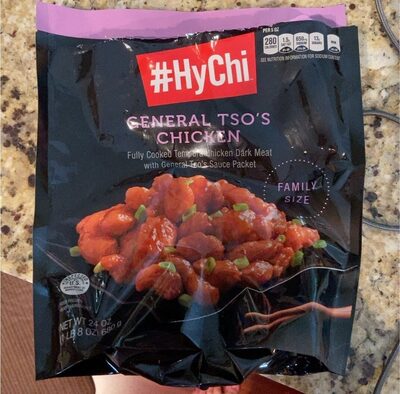
Learn more
Auto-generated content. This description was generated automatically and is pending editorial review. Inaccuracies are possible. Found a mistake? Contact us.