Holy Basil
What is Holy Basil?
Holy basil, also known as Tulsi, is an herb native to the Indian subcontinent. It is widely used in Ayurvedic medicine and is cultivated for its aromatic leaves and medicinal properties. The plant is typically grown in warm climates and its leaves are harvested for use in teas, supplements, and culinary applications.
Is Holy Basil vegan?
Holy Basil is not animal-derived. Products that contain it can still include other animal-derived ingredients, so check the full ingredient list.
Is Holy Basil gluten-free?
It does not contain gluten.
Is Holy Basil a major allergen?
Holy basil is not one of the nine major allergens recognized by the FDA.
What is Holy Basil used for?
Holy basil is primarily used as a flavoring agent in beverages, particularly teas and kombucha, and in some snack bars.
Is Holy Basil safe?
Holy basil is generally recognized as safe (GRAS) by the FDA for use as a food ingredient.
Why it's used
Holy basil is primarily used as a flavoring agent in beverages, particularly teas and kombucha, and in some snack bars. It imparts a distinct aromatic and slightly spicy flavor profile. Manufacturers use it to add a unique herbal note and appeal to consumers seeking natural or traditional ingredients.
Health notes
Holy basil is generally recognized as safe (GRAS) by the FDA for use as a food ingredient. Research suggests it may have adaptogenic properties, potentially helping the body manage stress. However, scientific evidence for many health claims is still developing, and more rigorous studies are needed. Regulatory bodies like EFSA have not established specific limits for its use in food, and it is not a major focus of their evaluations.
Allergen info
Holy basil is not one of the nine major allergens recognized by the FDA. It does not contain gluten.
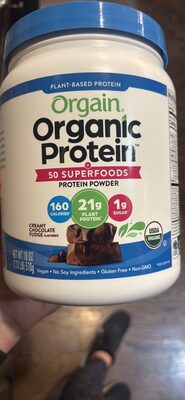
Foods that contain Holy Basil
Compare products →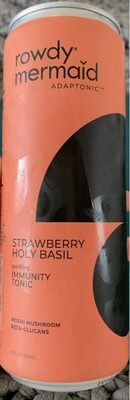
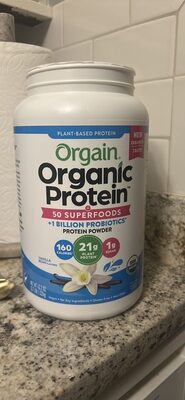
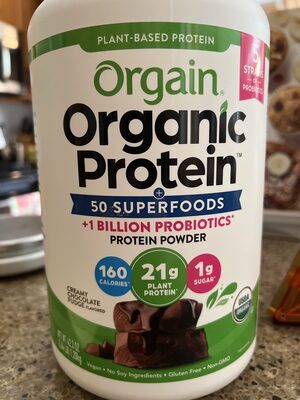
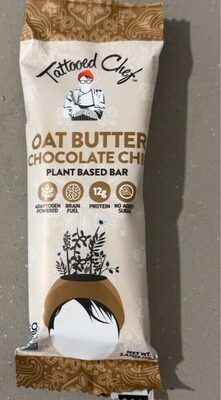
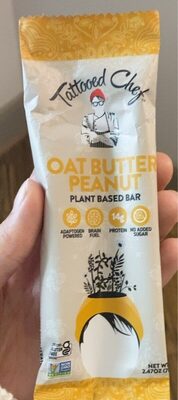
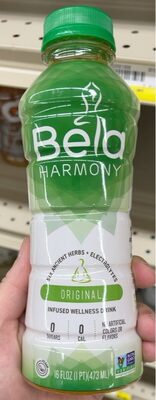
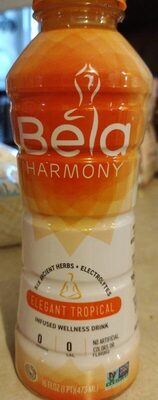
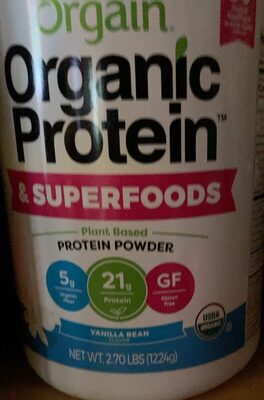
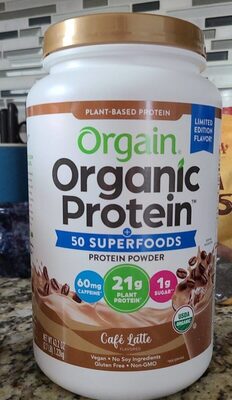
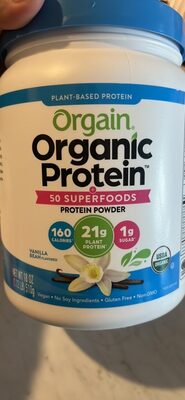
Learn more
Auto-generated content. This description was generated automatically and is pending editorial review. Inaccuracies are possible. Found a mistake? Contact us.