Honey And 2% Or Less: Salt
What is Honey And 2% Or Less: Salt?
Honey is a natural sweet substance made by honey bees from flower nectar. Salt, or sodium chloride, is a mineral that is often added in small amounts to enhance flavor and act as a preservative. This ingredient listing indicates honey is the primary component, with salt making up 2% or less of the total.
Is Honey And 2% Or Less: Salt vegan?
No. Honey And 2% Or Less: Salt is animal-derived, so it is not vegan.
Is Honey And 2% Or Less: Salt a major allergen?
Neither honey nor salt is considered a major allergen.
What is Honey And 2% Or Less: Salt used for?
Honey is primarily used as a sweetener and flavor in foods like baked goods, beverages, and sauces.
Is Honey And 2% Or Less: Salt safe?
Both honey and salt are generally recognized as safe (GRAS) by the FDA.
Why it's used
Honey is primarily used as a sweetener and flavor in foods like baked goods, beverages, and sauces. Salt, present in small quantities, also contributes to flavor and can act as a mild preservative, commonly found in cured meats and savory dishes.
Health notes
Both honey and salt are generally recognized as safe (GRAS) by the FDA. Honey is primarily composed of sugars, and the 2025-2030 Dietary Guidelines for Americans recommend no amount of added sugars. Salt is an essential nutrient, but the FDA's Daily Value for sodium is 2,300 mg. Honey should not be given to infants under one year old due to the risk of botulism spores.
Allergen info
Neither honey nor salt is considered a major allergen.
Foods that contain Honey And 2% Or Less: Salt
Compare products →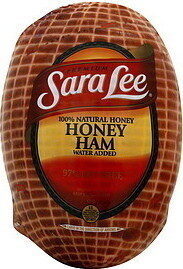 The Hillshire Brands Company
Sara Lee, Honey Ham
High in sodium — 20% DV per serving
107kcal
16.1Protein
2.7Fat
5.4Carbs
THE HILLSHIRE BRANDS COMPANY
Honey Ham, Honey
High in sodium — 20% DV per serving
107kcal
16.1Protein
2.7Fat
5.4Carbs
The Hillshire Brands Company
Farm Classics Honey Ham
High in sodium — 23% DV per serving
140kcal
16Protein
5Fat
6Carbs
The Hillshire Brands Company
Sara Lee, Maple Honey Ham
High in sodium — 20% DV per serving
125kcal
16.1Protein
2.7Fat
7.1Carbs
The Hillshire Brands Company
Sara Lee, Honey Ham
High in sodium — 20% DV per serving
107kcal
16.1Protein
2.7Fat
5.4Carbs
THE HILLSHIRE BRANDS COMPANY
Honey Ham, Honey
High in sodium — 20% DV per serving
107kcal
16.1Protein
2.7Fat
5.4Carbs
The Hillshire Brands Company
Farm Classics Honey Ham
High in sodium — 23% DV per serving
140kcal
16Protein
5Fat
6Carbs
The Hillshire Brands Company
Sara Lee, Maple Honey Ham
High in sodium — 20% DV per serving
125kcal
16.1Protein
2.7Fat
7.1Carbs
Learn more
Auto-generated content. This description was generated automatically and is pending editorial review. Inaccuracies are possible. Found a mistake? Contact us.