Hydrogenated Starch Hydrolysate
Auto-generated content. This description was generated automatically and is pending editorial review. Inaccuracies are possible. Found a mistake? Contact us.
What it is
Hydrogenated starch hydrolysate (HSH) is a sugar alcohol produced from corn or wheat starch. The starch is broken down into smaller sugars, which are then hydrogenated (treated with hydrogen) to create a mixture of sugar alcohols like sorbitol and maltitol. This process results in a sweetener that is less sweet than sugar and has fewer calories.
Why it's used
HSH is used as a sugar substitute and bulking agent in sugar-free and reduced-calorie foods. It provides sweetness, texture, and bulk without contributing as many calories as regular sugar. It is commonly found in sugar-free candies, chewing gum, baked goods, and ice cream.
Health notes
In the U.S., HSH is generally recognized as safe (GRAS) by the FDA for use as a food ingredient. Like other sugar alcohols, excessive consumption may cause digestive upset, such as bloating or diarrhea, due to its incomplete absorption in the digestive tract. The Joint FAO/WHO Expert Committee on Food Additives (JECFA) has evaluated HSH and established an acceptable daily intake. Evidence does not suggest significant health concerns at typical consumption levels.
Allergen info
Hydrogenated starch hydrolysate is derived from corn or wheat starch. While wheat is a major allergen, the processing of starch typically removes allergenic proteins. It is not considered a major allergen. Gluten is not present in the final product.
Products containing Hydrogenated Starch Hydrolysate
Compare products →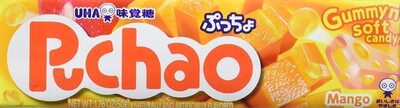 JFC International Inc.
Gummy N' Soft Candy!, Mango
400kcal
2Protein
4Fat
90Carbs
JFC International Inc.
Gummy N' Soft Candy!, Cola, Ramune Soda
400kcal
2.5Protein
3.8Fat
90Carbs
Prairie Farms Dairy, Inc.
Light Ice Cream, Neapolitan
141kcal
4.7Protein
4.7Fat
21.9Carbs
JFC International Inc.
Gummy N' Soft Candy!, Mango
400kcal
2Protein
4Fat
90Carbs
JFC International Inc.
Gummy N' Soft Candy!, Cola, Ramune Soda
400kcal
2.5Protein
3.8Fat
90Carbs
Prairie Farms Dairy, Inc.
Light Ice Cream, Neapolitan
141kcal
4.7Protein
4.7Fat
21.9Carbs
 United Legwear Company, LLC
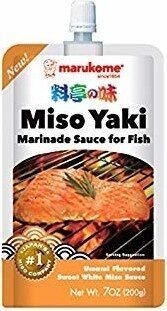
Miso Yaki Sweet White Miso Sauce Marinade Sauce For Fish
233kcal
6.7Protein
0Fat
46.7Carbs
United Legwear Company, LLC
Miso Yaki Sweet White Miso Sauce Marinade Sauce For Fish
233kcal
6.7Protein
0Fat
46.7Carbs
 JFC International Inc.
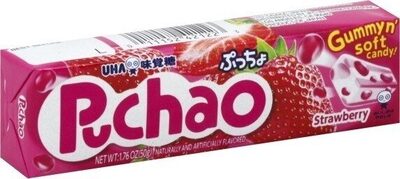
Strawberry Gummy N' Soft Candy, Strawberry
400kcal
2Protein
4Fat
90Carbs
Genji, Inc.
Shaggy Dog Roll Wr, Shaggy Dog
High in sodium — 49% DV per serving
High in saturated fat — 25% DV per serving
195kcal
4.8Protein
6.7Fat
28.9Carbs
JFC International Inc.
Strawberry Gummy N' Soft Candy, Strawberry
400kcal
2Protein
4Fat
90Carbs
Genji, Inc.
Shaggy Dog Roll Wr, Shaggy Dog
High in sodium — 49% DV per serving
High in saturated fat — 25% DV per serving
195kcal
4.8Protein
6.7Fat
28.9Carbs
 JFC International Inc.
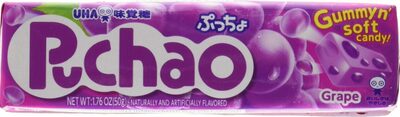
Grape Gummy N' Soft Candy, Grape
400kcal
2Protein
5Fat
88Carbs
JFC International Inc.
Cola Gummy N' Soft Candy, Cola
400kcal
2Protein
4Fat
90Carbs
JFC International Inc.
Grape Gummy N' Soft Candy, Grape
400kcal
2Protein
5Fat
88Carbs
JFC International Inc.
Cola Gummy N' Soft Candy, Cola
400kcal
2Protein
4Fat
90Carbs