Hydrolyzed Corn & Soy Vegetable Protein
Auto-generated content. This description was generated automatically and is pending editorial review. Inaccuracies are possible. Found a mistake? Contact us.
What it is
Hydrolyzed corn and soy vegetable protein is made by breaking down corn and soy proteins into smaller pieces using enzymes or acids. This process enhances their savory, umami flavor.
Why it's used
Manufacturers add it to foods to boost flavor, providing a rich, meaty, or savory taste. It is commonly found in sauces, marinades, dips, processed meats, and snack foods.
Health notes
Hydrolyzed corn and soy protein is generally recognized as safe (GRAS) by the FDA. It is a source of amino acids, and at typical consumption levels, it is not associated with adverse health effects. International bodies like JECFA have evaluated it. There are no widespread controversies regarding its use in food.
Allergen info
Soy is one of the 9 FDA major allergens. This ingredient is derived from soy, so it is considered a major allergen.
Products containing Hydrolyzed Corn & Soy Vegetable Protein
Compare products →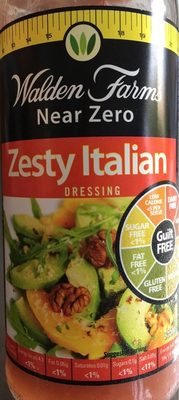 PANOS Brands LLC
Zesty Italian Dressing, Zesty Italian
0kcal
0Protein
0Fat
0Carbs
PANOS Brands LLC
Honey Barbecue Sauce, Honey
0kcal
0Protein
0Fat
0Carbs
PANOS Brands LLC
Zesty Italian Dressing, Zesty Italian
0kcal
0Protein
0Fat
0Carbs
PANOS Brands LLC
Honey Barbecue Sauce, Honey
0kcal
0Protein
0Fat
0Carbs
 PANOS Brands LLC
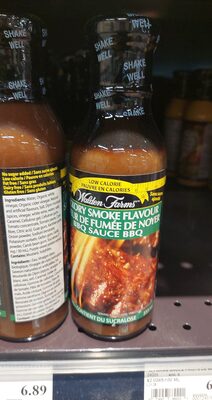
Hickory Smoked Barbecue Sauce, Hickory Smoked
0kcal
0Protein
0Fat
0Carbs
PANOS Brands LLC
Asian Dressing & Marinade, Asian
0kcal
0Protein
0Fat
0Carbs
PANOS Brands LLC
Hickory Smoked Barbecue Sauce, Hickory Smoked
0kcal
0Protein
0Fat
0Carbs
PANOS Brands LLC
Asian Dressing & Marinade, Asian
0kcal
0Protein
0Fat
0Carbs