Icing Sugar Sugar
What is Icing Sugar Sugar?
Icing sugar, also known as powdered sugar or confectioners' sugar, is granulated sugar that has been finely ground into a powder. It often contains a small amount of an anti-caking agent, such as cornstarch, to prevent clumping.
Is Icing Sugar Sugar vegan?
Icing Sugar Sugar is not animal-derived. Products that contain it can still include other animal-derived ingredients, so check the full ingredient list.
Is Icing Sugar Sugar a major allergen?
Not a major allergen.
What is Icing Sugar Sugar used for?
Manufacturers add icing sugar primarily as a sweetener and for its fine texture, which is ideal for smooth frostings, glazes, and decorative dusting.
Is Icing Sugar Sugar safe?
Sugar is generally recognized as safe (GRAS) by the FDA.
Why it's used
Manufacturers add icing sugar primarily as a sweetener and for its fine texture, which is ideal for smooth frostings, glazes, and decorative dusting. It is commonly found in baked goods like cakes, cookies, and pastries.
Health notes
Sugar is generally recognized as safe (GRAS) by the FDA. Consumed in excess, added sugars contribute calories without essential nutrients and can be associated with weight gain and dental caries. The 2025-2030 Dietary Guidelines for Americans recommend no amount of added sugars, and at most 10 grams per meal. The World Health Organization (WHO) advises limiting free sugars to less than 10% of total energy intake.
Allergen info
Not a major allergen.
Foods that contain Icing Sugar Sugar
Compare products →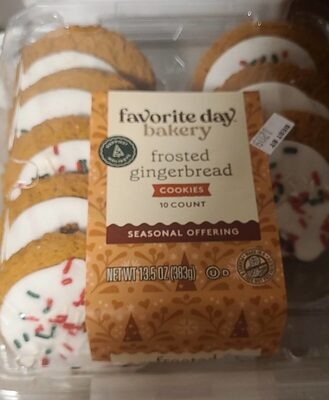
Learn more
Auto-generated content. This description was generated automatically and is pending editorial review. Inaccuracies are possible. Found a mistake? Contact us.