Idaho Russet Potatoes
What is Idaho Russet Potatoes?
The Idaho Russet is a specific variety of potato grown in Idaho, known for its starchy texture and brown skin. It is a type of white potato, commonly harvested and then processed for various food applications.
Is Idaho Russet Potatoes vegan?
Idaho Russet Potatoes is not animal-derived. Products that contain it can still include other animal-derived ingredients, so check the full ingredient list.
Is Idaho Russet Potatoes gluten-free?
They do not contain gluten.
Is Idaho Russet Potatoes a major allergen?
Potatoes are not one of the nine major allergens recognized by the FDA.
What is Idaho Russet Potatoes used for?
Idaho Russet potatoes are frequently used in processed foods due to their texture and flavor.
Is Idaho Russet Potatoes safe?
Potatoes are a good source of potassium and vitamin C.
Why it's used
Idaho Russet potatoes are frequently used in processed foods due to their texture and flavor. They are a primary ingredient in potato chips, french fries, and dehydrated potato products like mashed potatoes.
Health notes
Potatoes are a good source of potassium and vitamin C. They are not typically regulated as a food additive by the FDA. While generally considered safe, like many starchy foods, excessive consumption as part of an unbalanced diet could contribute to weight gain. Regulatory bodies like JECFA and EFSA have evaluated potatoes as a foodstuff.
Allergen info
Potatoes are not one of the nine major allergens recognized by the FDA. They do not contain gluten.
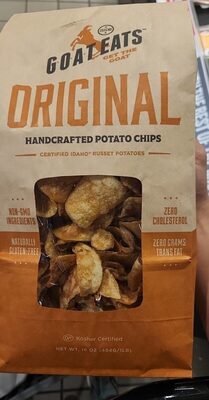
Foods that contain Idaho Russet Potatoes
Compare products →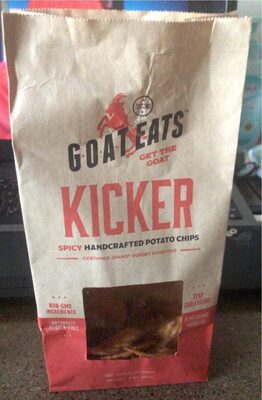
Auto-generated content. This description was generated automatically and is pending editorial review. Inaccuracies are possible. Found a mistake? Contact us.