Including Hickory Smoke
This entry is a label phrase. See the main ingredient page: Hickory Smoke.
What is Including Hickory Smoke?
Hickory smoke is a flavoring ingredient made by burning hickory wood. The smoke is captured and condensed into a liquid or powder form. This process imparts a smoky flavor and aroma to foods without direct grilling.
Is Including Hickory Smoke vegan?
Including Hickory Smoke is not animal-derived. Products that contain it can still include other animal-derived ingredients, so check the full ingredient list.
Is Including Hickory Smoke gluten-free?
It does not contain gluten.
Is Including Hickory Smoke a major allergen?
Hickory smoke is not derived from any of the 9 FDA major allergens.
What is Including Hickory Smoke used for?
Hickory smoke is used to add a smoky taste to a variety of foods.
Is Including Hickory Smoke safe?
Hickory smoke flavoring is generally recognized as safe (GRAS) by the FDA for use in food.
Why it's used
Hickory smoke is used to add a smoky taste to a variety of foods. It is commonly found in processed meats, sauces like barbecue sauce and ketchup, seasonings, marinades, and snack foods. Manufacturers use it to mimic the flavor of cooking over a wood fire.
Health notes
Hickory smoke flavoring is generally recognized as safe (GRAS) by the FDA for use in food. Regulatory bodies like JECFA have evaluated smoke flavorings. While some studies have looked into compounds found in smoke, typical consumption levels of hickory smoke flavoring in foods are not associated with adverse health effects.
Allergen info
Hickory smoke is not derived from any of the 9 FDA major allergens. It does not contain gluten.
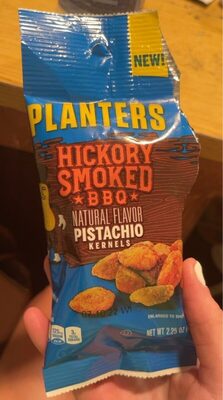
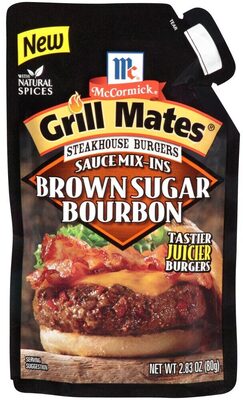
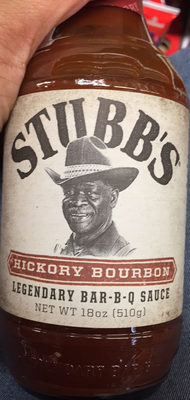
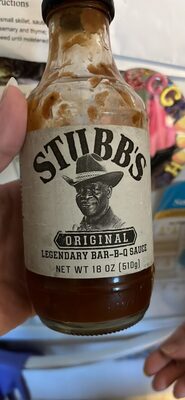
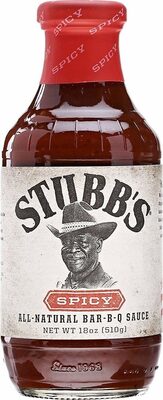
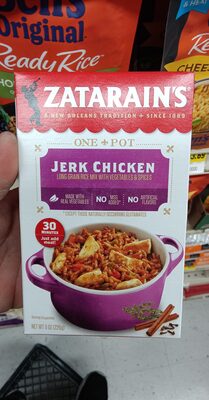
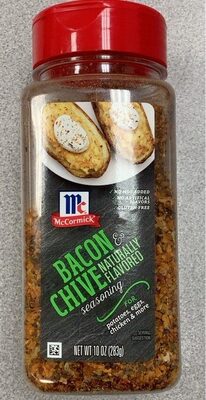
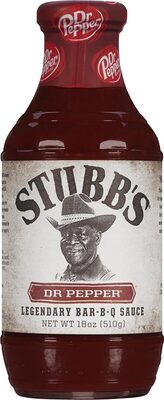
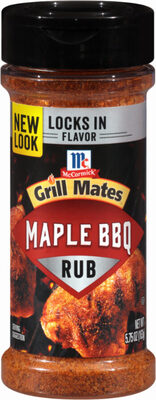
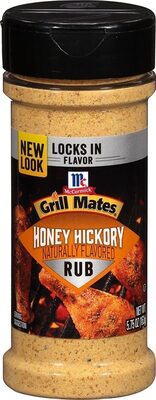
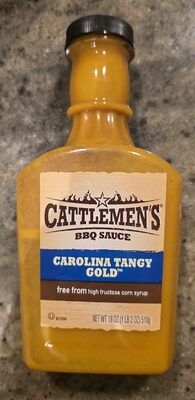
Foods that contain Including Hickory Smoke
Compare products →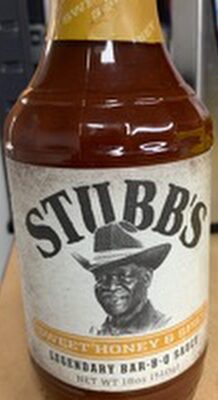
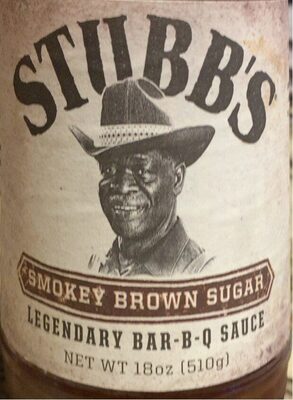
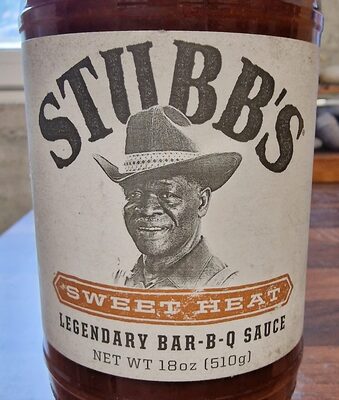
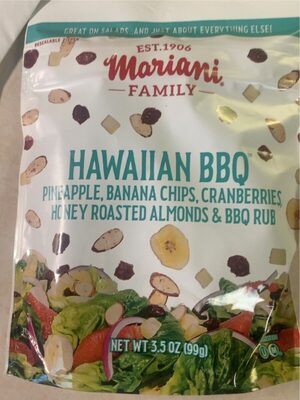
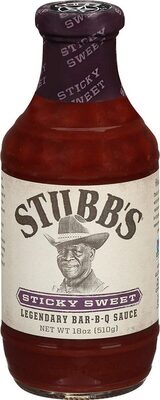
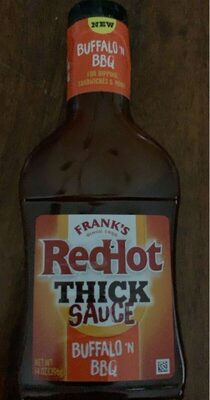
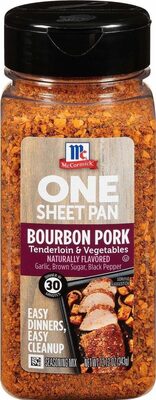
Learn more
Auto-generated content. This description was generated automatically and is pending editorial review. Inaccuracies are possible. Found a mistake? Contact us.