Kale Powder
What is Kale Powder?
Kale powder is made from dried kale leaves that have been ground into a fine powder. Kale is a leafy green vegetable, a member of the cabbage family, known for its nutrient-dense profile. The drying and grinding process concentrates its flavor and nutrients.
Is Kale Powder vegan?
Kale Powder is not animal-derived. Products that contain it can still include other animal-derived ingredients, so check the full ingredient list.
Is Kale Powder gluten-free?
It does not contain gluten.
Is Kale Powder a major allergen?
Kale powder is not derived from any of the 9 FDA major allergens.
What is Kale Powder used for?
Manufacturers use kale powder as a nutrient-rich ingredient and for its mild, earthy flavor.
Is Kale Powder safe?
Kale powder is generally recognized as safe (GRAS) by the FDA when used as a food ingredient.
Why it's used
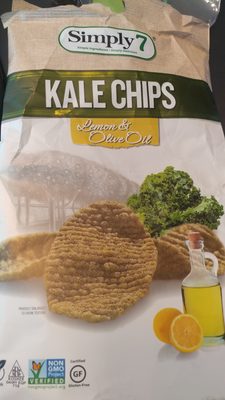
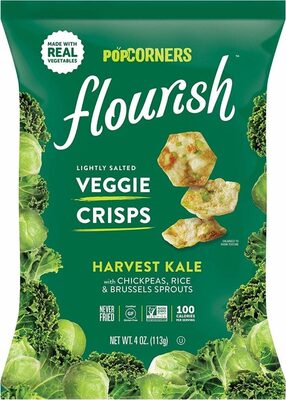
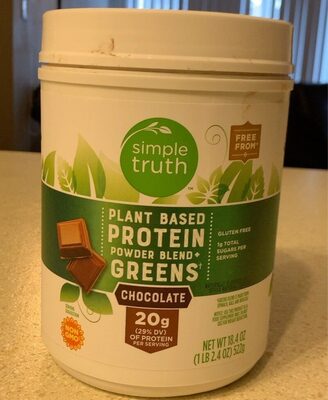
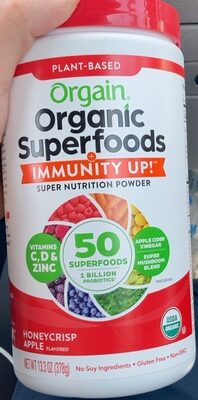
Manufacturers use kale powder as a nutrient-rich ingredient and for its mild, earthy flavor. It is often added to foods like chips, pretzels, snack bars, and smoothies to boost their nutritional value. It can also contribute a green color to products.
Health notes
Kale powder is generally recognized as safe (GRAS) by the FDA when used as a food ingredient. It is a source of vitamins and minerals. Regulatory bodies like JECFA and EFSA have evaluated many food ingredients, but specific evaluations for kale powder as a standalone additive are not widely publicized. Consuming kale powder as part of a balanced diet is associated with general health benefits attributed to leafy green vegetables.
Allergen info
Kale powder is not derived from any of the 9 FDA major allergens. It does not contain gluten.
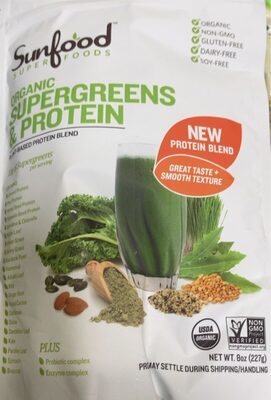
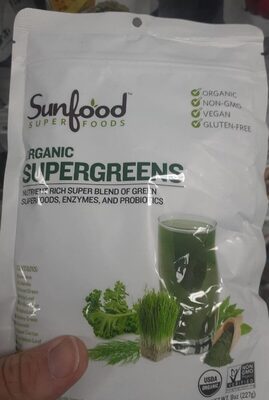
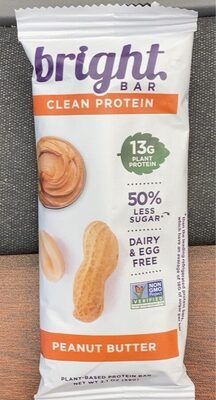
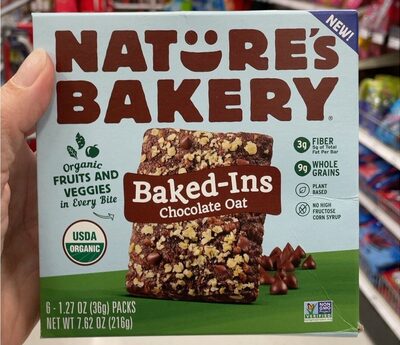
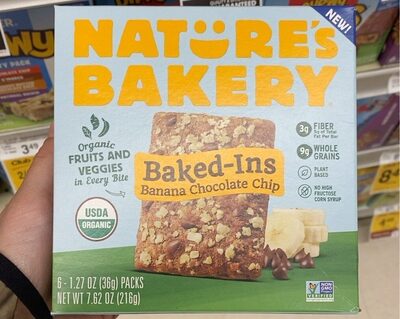
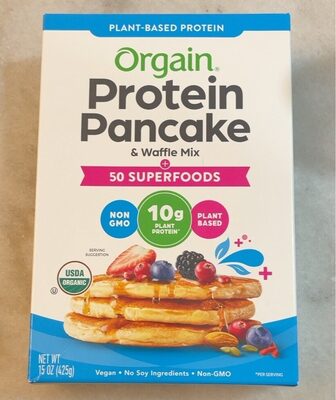
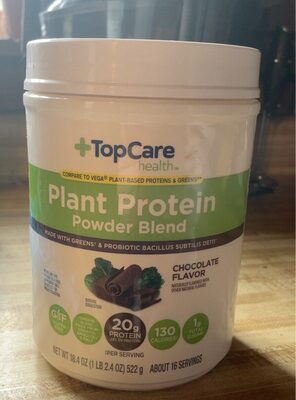
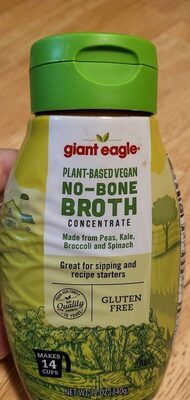
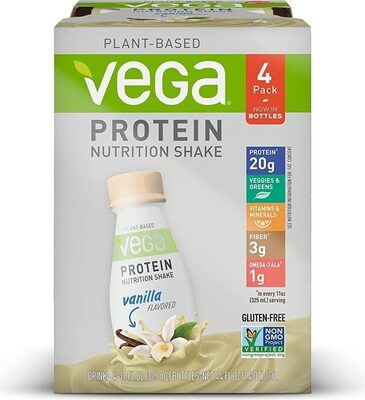
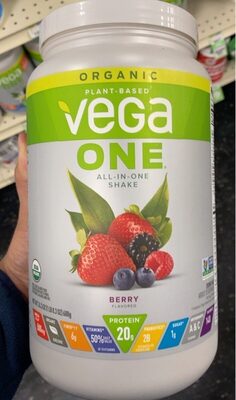
Foods that contain Kale Powder
Compare products →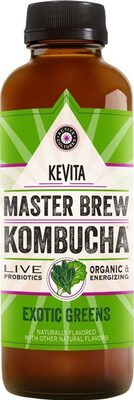
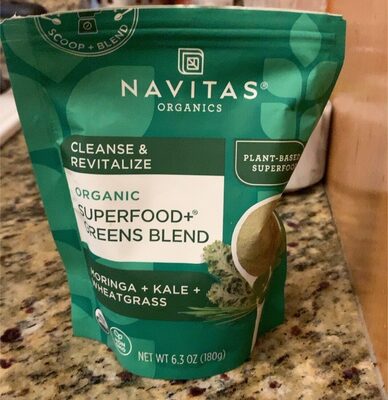
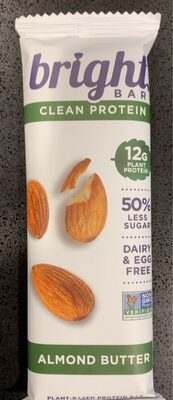
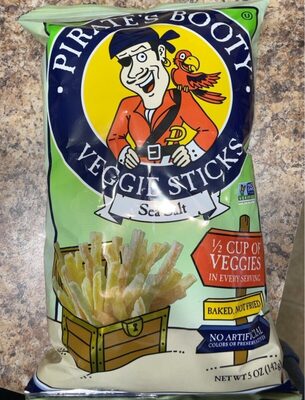

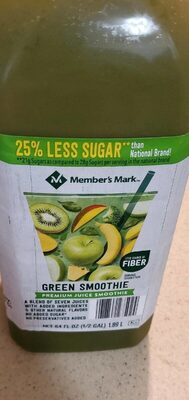
Auto-generated content. This description was generated automatically and is pending editorial review. Inaccuracies are possible. Found a mistake? Contact us.