Kale Puree
What is Kale Puree?
Kale puree is made from kale, a leafy green vegetable. The kale is typically washed, chopped, and then blended or pureed to create a smooth or semi-smooth consistency. It retains many of the nutrients found in whole kale.
Is Kale Puree vegan?
Kale Puree is not animal-derived. Products that contain it can still include other animal-derived ingredients, so check the full ingredient list.
Is Kale Puree gluten-free?
It does not contain gluten.
Is Kale Puree a major allergen?
Kale puree is not derived from any of the 9 FDA major allergens.
What is Kale Puree used for?
Manufacturers use kale puree to add a nutritional boost and a mild vegetable flavor to foods.
Is Kale Puree safe?
Kale puree is generally recognized as safe (GRAS) by the FDA when used as a food ingredient.
Why it's used
Manufacturers use kale puree to add a nutritional boost and a mild vegetable flavor to foods. It is often found in beverages like juices and smoothies, as well as in frozen desserts, sauces, and dips. Its green color can also contribute to the visual appeal of products.
Health notes
Kale puree is generally recognized as safe (GRAS) by the FDA when used as a food ingredient. It is a source of vitamins and minerals. International bodies like JECFA and EFSA have evaluated kale and its components, but have not set specific limits for kale puree itself. Evidence suggests that consuming kale as part of a balanced diet is associated with health benefits.
Allergen info
Kale puree is not derived from any of the 9 FDA major allergens. It does not contain gluten.
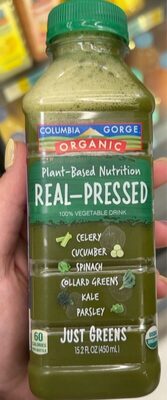
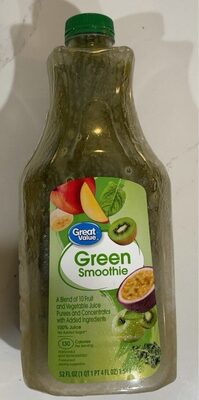
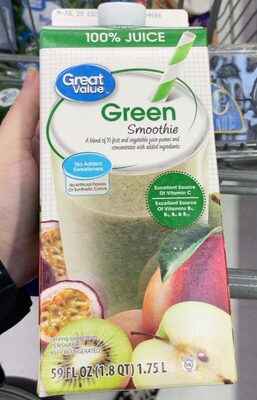
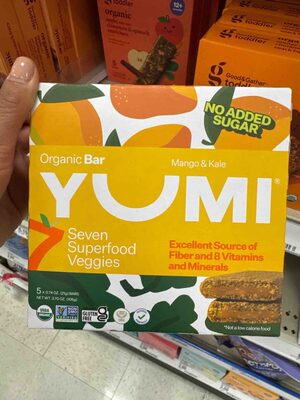
Foods that contain Kale Puree
Compare products →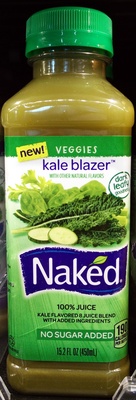
Auto-generated content. This description was generated automatically and is pending editorial review. Inaccuracies are possible. Found a mistake? Contact us.