Koji Seed
What is Koji Seed?
Koji seed, also known as Aspergillus oryzae, is a type of fungus used in East Asian cuisine. It is cultivated on grains like rice or soybeans, and its enzymes are crucial for fermenting foods.
Is Koji Seed vegan?
Koji Seed is not animal-derived. Products that contain it can still include other animal-derived ingredients, so check the full ingredient list.
Is Koji Seed a major allergen?
Koji itself is a fungus and not one of the nine major allergens.
What is Koji Seed used for?
Koji is essential for making fermented products like soy sauce, miso, and sake.
Is Koji Seed safe?
Koji is generally recognized as safe (GRAS) by the FDA for use in food.
Why it's used
Koji is essential for making fermented products like soy sauce, miso, and sake. In packaged foods, it's often used as a flavor enhancer and to aid in the fermentation process, contributing savory and umami notes.
Health notes
Koji is generally recognized as safe (GRAS) by the FDA for use in food. It is a key component in many traditional fermented foods, which are often associated with digestive health benefits. International bodies like JECFA have evaluated its components and use.
Allergen info
Koji itself is a fungus and not one of the nine major allergens. However, it is often grown on grains like soy or wheat, which are major allergens.
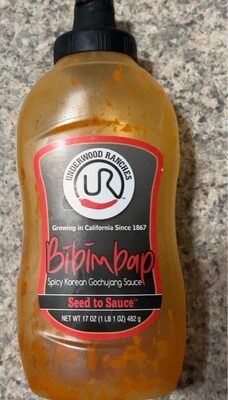
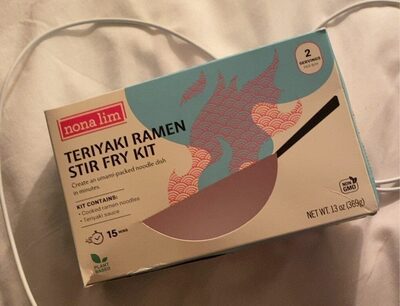
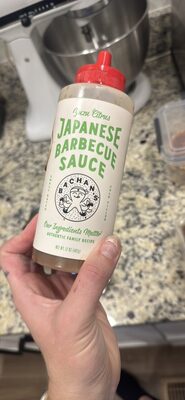
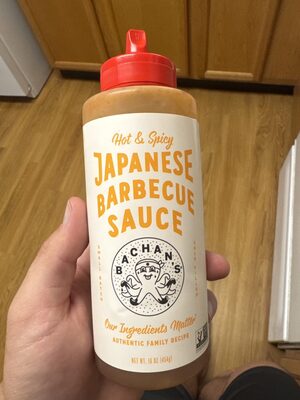
Foods that contain Koji Seed
Compare products →
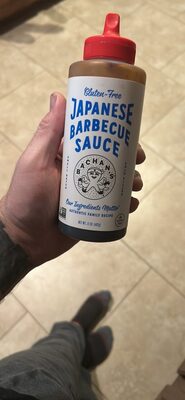
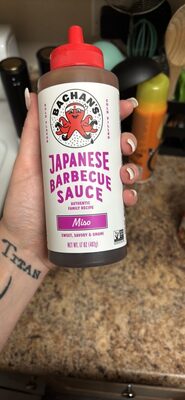
Learn more
Auto-generated content. This description was generated automatically and is pending editorial review. Inaccuracies are possible. Found a mistake? Contact us.