Kombu
What is Kombu?
Kombu is a type of edible kelp, a brown seaweed that grows in the ocean. It is a staple in Japanese cuisine and is known for its rich, savory flavor. It is typically dried before being used in cooking.
Is Kombu vegan?
Kombu is not animal-derived. Products that contain it can still include other animal-derived ingredients, so check the full ingredient list.
Is Kombu gluten-free?
It does not contain gluten.
Is Kombu a major allergen?
Kombu is not one of the nine major allergens designated by the FDA.
What is Kombu used for?
Kombu is primarily used to add a deep umami flavor to broths, stocks, and soups, most notably dashi, a fundamental Japanese soup stock.
Is Kombu safe?
Kombu is generally recognized as safe (GRAS) by the FDA for use as a food ingredient.
Why it's used
Kombu is primarily used to add a deep umami flavor to broths, stocks, and soups, most notably dashi, a fundamental Japanese soup stock. It can also be used to tenderize beans and grains during cooking. Manufacturers use it as a natural flavor enhancer.
Health notes
Kombu is generally recognized as safe (GRAS) by the FDA for use as a food ingredient. It is a natural source of iodine, which is essential for thyroid function. Consuming very large amounts of kombu could lead to excessive iodine intake, which may affect thyroid health. The Joint FAO/WHO Expert Committee on Food Additives (JECFA) has evaluated kombu and its components.
Allergen info
Kombu is not one of the nine major allergens designated by the FDA. It does not contain gluten.
Foods that contain Kombu
Compare products →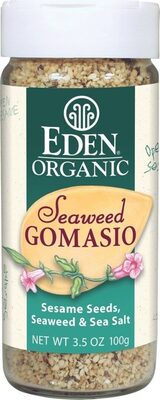
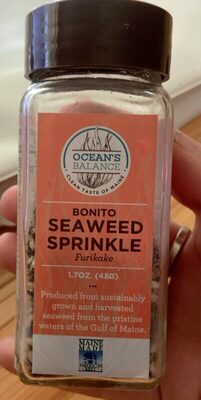


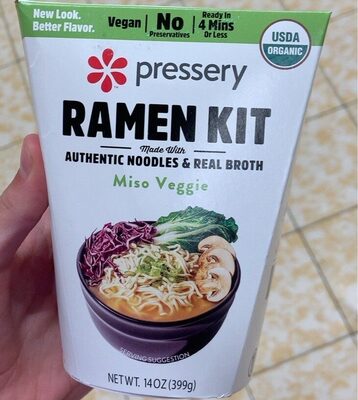


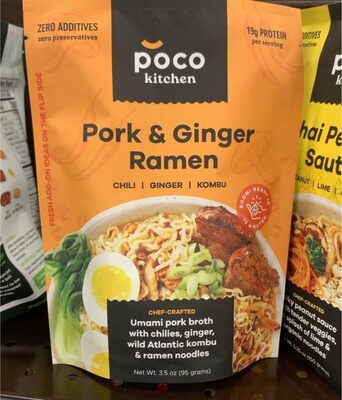






Learn more
Auto-generated content. This description was generated automatically and is pending editorial review. Inaccuracies are possible. Found a mistake? Contact us.