Korean Dried Chili Pepper
What is Korean Dried Chili Pepper?
Korean dried chili pepper, also known as gochugaru, is a staple spice in Korean cuisine. It is made from sun-dried red chili peppers, which are then ground into flakes or powder. The drying process concentrates its flavor and heat.
Is Korean Dried Chili Pepper vegan?
Korean Dried Chili Pepper is not animal-derived. Products that contain it can still include other animal-derived ingredients, so check the full ingredient list.
Is Korean Dried Chili Pepper a major allergen?
Not a major allergen.
What is Korean Dried Chili Pepper used for?
Manufacturers use Korean dried chili pepper primarily for its spicy flavor and vibrant red color.
Is Korean Dried Chili Pepper safe?
Korean dried chili pepper is generally recognized as safe (GRAS) by the FDA when used as a food ingredient.
Why it's used
Manufacturers use Korean dried chili pepper primarily for its spicy flavor and vibrant red color. It is a key ingredient in many Korean dishes, including kimchi, stews, and marinades. It can also be found in sauces and spice blends for various ethnic foods.
Health notes
Korean dried chili pepper is generally recognized as safe (GRAS) by the FDA when used as a food ingredient. Capsaicin, the compound that gives chili peppers their heat, is being studied for potential health effects, though research is ongoing and evidence is mixed. Regulatory bodies like EFSA have evaluated capsaicinoids. No specific ADI has been set by JECFA.
Allergen info
Not a major allergen.
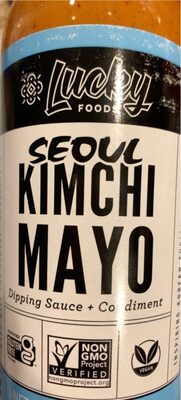
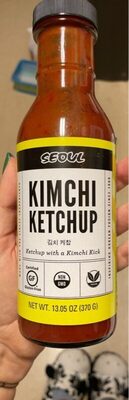
Foods that contain Korean Dried Chili Pepper
Compare products →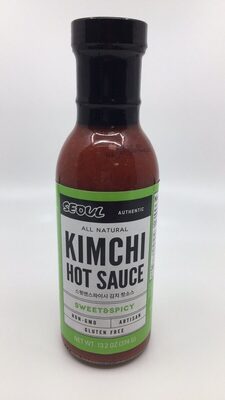
Learn more
Auto-generated content. This description was generated automatically and is pending editorial review. Inaccuracies are possible. Found a mistake? Contact us.