Leavenng
What is Leavenng?
Leavening agents are substances that cause doughs and batters to rise, creating a lighter texture and increasing volume. They work by producing gas, typically carbon dioxide, which expands when heated during baking. Common leavening agents include chemical leaveners like baking soda and baking powder, as well as biological leaveners like yeast.
Is Leavenng a major allergen?
Most common leavening agents are not major allergens.
What is Leavenng used for?
Manufacturers use leavening agents to make baked goods light and airy.
Is Leavenng safe?
Leavening agents are generally recognized as safe (GRAS) by the FDA when used as intended.
Why it's used
Manufacturers use leavening agents to make baked goods light and airy. They are essential in products like bread, cakes, cookies, and muffins. Chemical leaveners are often preferred for their speed and predictability in processed foods such as frozen appetizers and ice cream cakes.
Health notes
Leavening agents are generally recognized as safe (GRAS) by the FDA when used as intended. Chemical leavening agents like baking soda and baking powder are common food ingredients and are not associated with adverse health effects at typical consumption levels. International bodies like JECFA have evaluated many leavening agents, and they are widely used globally.
Allergen info
Most common leavening agents are not major allergens. However, some baking powders may contain wheat starch, and yeast is a fungus, not typically classified as a major allergen. Always check the product label for specific ingredients if you have concerns.
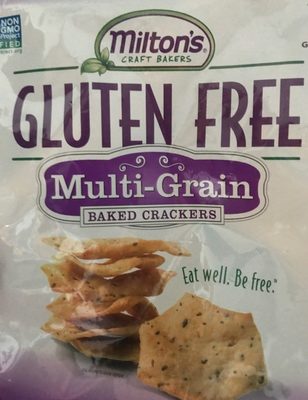
Foods that contain Leavenng
Compare products →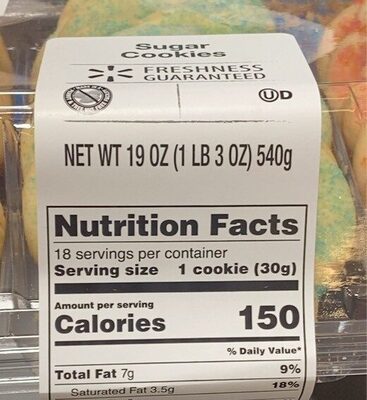

Auto-generated content. This description was generated automatically and is pending editorial review. Inaccuracies are possible. Found a mistake? Contact us.