Legithin
What is Legithin?
Legithin is a brand name for lecithin, a type of fat that is naturally found in egg yolks and soybeans. It is typically produced commercially by extracting it from soybean oil. This process involves degumming the crude soybean oil to remove phospholipids, which are the primary components of lecithin.
Is Legithin gluten-free?
It does not contain gluten.
Is Legithin a major allergen?
Lecithin is often derived from soy, which is one of the nine major allergens recognized by the FDA.
What is Legithin used for?
Manufacturers add legithin primarily as an emulsifier, which helps to blend ingredients that don't normally mix, like oil and water.
Is Legithin safe?
Lecithin is generally recognized as safe (GRAS) by the FDA for use as a food additive.
Why it's used
Manufacturers add legithin primarily as an emulsifier, which helps to blend ingredients that don't normally mix, like oil and water. This is especially useful in chocolate and confectionery to create a smooth texture and prevent fat bloom. It is also used in baked goods, margarine, and processed foods.
Health notes
Lecithin is generally recognized as safe (GRAS) by the FDA for use as a food additive. It is a common component of cell membranes and plays a role in fat metabolism. While generally considered safe, some individuals may experience mild digestive upset. Regulatory bodies like EFSA have also evaluated lecithin, and it is widely used globally.
Allergen info
Lecithin is often derived from soy, which is one of the nine major allergens recognized by the FDA. If derived from soy, it must be declared on the ingredient label. It does not contain gluten.
Foods that contain Legithin
Compare products → The Hershey Company
Milk Chocolate, Milk
High in saturated fat — 23% DV per serving
High in added sugars — 26% DV per serving
500kcal
7.7Protein
26.9Fat
61.5Carbs
The Hershey Company
Milk Chocolate, Milk
High in saturated fat — 23% DV per serving
High in added sugars — 26% DV per serving
500kcal
7.7Protein
26.9Fat
61.5Carbs
 The Hershey Company
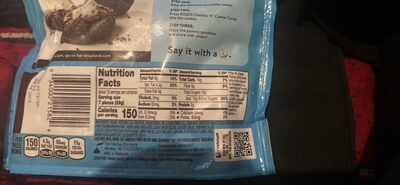
Cookies 'N' Creme Candy, Cookies 'N' Creme
High in saturated fat — 25% DV per serving
517kcal
6.9Protein
27.6Fat
65.5Carbs
The Hershey Company
Cookies 'N' Creme Candy, Cookies 'N' Creme
High in saturated fat — 25% DV per serving
517kcal
6.9Protein
27.6Fat
65.5Carbs
 The Hershey Company
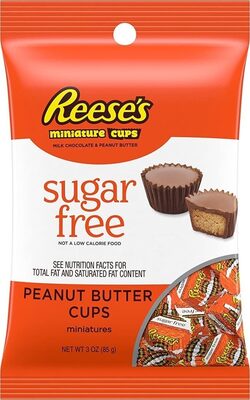
Chocolate Candy & Peanut Butter Miniature Cups
423kcal
7.7Protein
30.8Fat
61.5Carbs
The Hershey Company
Chocolate Candy & Peanut Butter Miniature Cups
423kcal
7.7Protein
30.8Fat
61.5Carbs
Learn more
Auto-generated content. This description was generated automatically and is pending editorial review. Inaccuracies are possible. Found a mistake? Contact us.