Less Than 0.5% Of Gellan Gum
What is Less Than 0.5% Of Gellan Gum?
Gellan gum is a polysaccharide, a type of carbohydrate, produced by the bacterium Sphingomonas elodea. It is made through a fermentation process and then purified. It is typically available as a white or off-white powder.
Is Less Than 0.5% Of Gellan Gum vegan?
Less Than 0.5% Of Gellan Gum is not animal-derived. Products that contain it can still include other animal-derived ingredients, so check the full ingredient list.
Is Less Than 0.5% Of Gellan Gum gluten-free?
Gellan gum is not derived from any of the nine major allergens and does not contain gluten.
What is Less Than 0.5% Of Gellan Gum used for?
Gellan gum is used as a stabilizer and thickener in foods.
Is Less Than 0.5% Of Gellan Gum safe?
Gellan gum is generally recognized as safe (GRAS) by the U.S. Food and Drug Administration (FDA).
Why it's used
Gellan gum is used as a stabilizer and thickener in foods. It helps to prevent ingredients from separating and gives products a smoother texture. It is commonly found in dairy products, desserts, jams, jellies, and sauces.
Health notes
Gellan gum is generally recognized as safe (GRAS) by the U.S. Food and Drug Administration (FDA). International bodies like the Joint FAO/WHO Expert Committee on Food Additives (JECFA) and the European Food Safety Authority (EFSA) have also evaluated gellan gum and found it safe for consumption. It is not known to cause adverse health effects at the levels typically found in food.
Allergen info
Gellan gum is not derived from any of the nine major allergens and does not contain gluten.
Foods that contain Less Than 0.5% Of Gellan Gum
Compare products →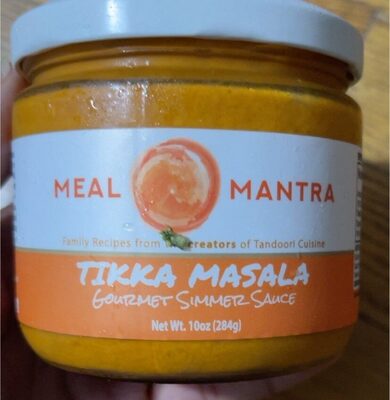
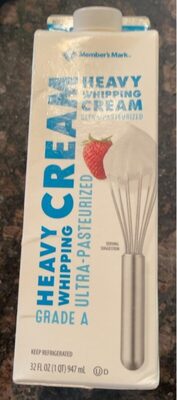
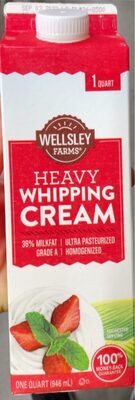
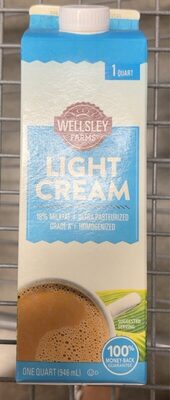
Learn more
Auto-generated content. This description was generated automatically and is pending editorial review. Inaccuracies are possible. Found a mistake? Contact us.