Less Than 0.5% Of Organic Sunflower Lecithin
What is Less Than 0.5% Of Organic Sunflower Lecithin?
Sunflower lecithin is a fat derived from sunflower seeds. It is a mixture of phospholipids, which are naturally occurring compounds found in all cell membranes. It is typically produced by extracting oil from sunflower seeds and then separating the lecithin components.
Is Less Than 0.5% Of Organic Sunflower Lecithin vegan?
Less Than 0.5% Of Organic Sunflower Lecithin is not animal-derived. Products that contain it can still include other animal-derived ingredients, so check the full ingredient list.
Is Less Than 0.5% Of Organic Sunflower Lecithin gluten-free?
It does not contain gluten.
Is Less Than 0.5% Of Organic Sunflower Lecithin a major allergen?
Sunflower lecithin is not derived from soy or any of the other major allergens.
What is Less Than 0.5% Of Organic Sunflower Lecithin used for?
Manufacturers add sunflower lecithin as an emulsifier, helping to blend ingredients that don't normally mix, like oil and water.
Is Less Than 0.5% Of Organic Sunflower Lecithin safe?
Sunflower lecithin is generally recognized as safe (GRAS) by the FDA for use in food.
Why it's used
Manufacturers add sunflower lecithin as an emulsifier, helping to blend ingredients that don't normally mix, like oil and water. It also acts as a stabilizer and can improve texture in foods such as baked goods, chocolate, and dairy alternatives.
Health notes
Sunflower lecithin is generally recognized as safe (GRAS) by the FDA for use in food. It is a source of phospholipids, which are important components of cell membranes. Regulatory bodies like JECFA and EFSA have evaluated lecithin, and it is widely used without significant controversy at typical consumption levels.
Allergen info
Sunflower lecithin is not derived from soy or any of the other major allergens. It does not contain gluten.
Foods that contain Less Than 0.5% Of Organic Sunflower Lecithin
Compare products →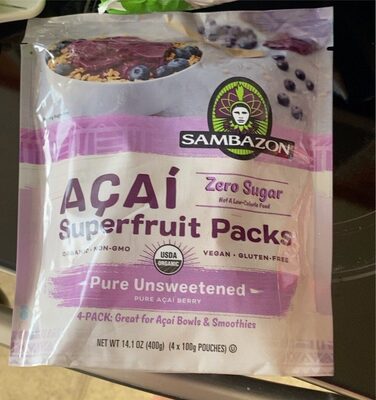
Learn more
Auto-generated content. This description was generated automatically and is pending editorial review. Inaccuracies are possible. Found a mistake? Contact us.